

2verifi does not currently list a direct, exclusive partnership with FormFox for workplace drug testing in its public service documentation. FormFox is a document automation platform, while 2verifi is a background check provider. This guide explains how to evaluate screening partners, verify credentials, and integrate third-party tools like FormFox with background check services such as 2verifi to streamline compliance workflows. For additional details, review the 2verifi com.
How to Choose a Screening Partner
What to Ask Before Committing
How to Verify Credentials
Verifying a provider's claims is critical to avoiding fraud or non-compliance. Credential verification is the act of confirming that a claimed qualification, license, or certification is valid and current. To verify a background check company, check their registration with the Better Business Bureau and look for reviews from other HR professionals. For technical verification, request a sandbox environment. Test the API endpoints to see if they return the expected data structures. If the provider claims to be a partner with a specific software, ask for a written confirmation or a case study. Do not rely on verbal assurances. A legitimate partner will provide documentation that you can share with your legal team. For additional details, review the Customer Experience.
How the Process Works
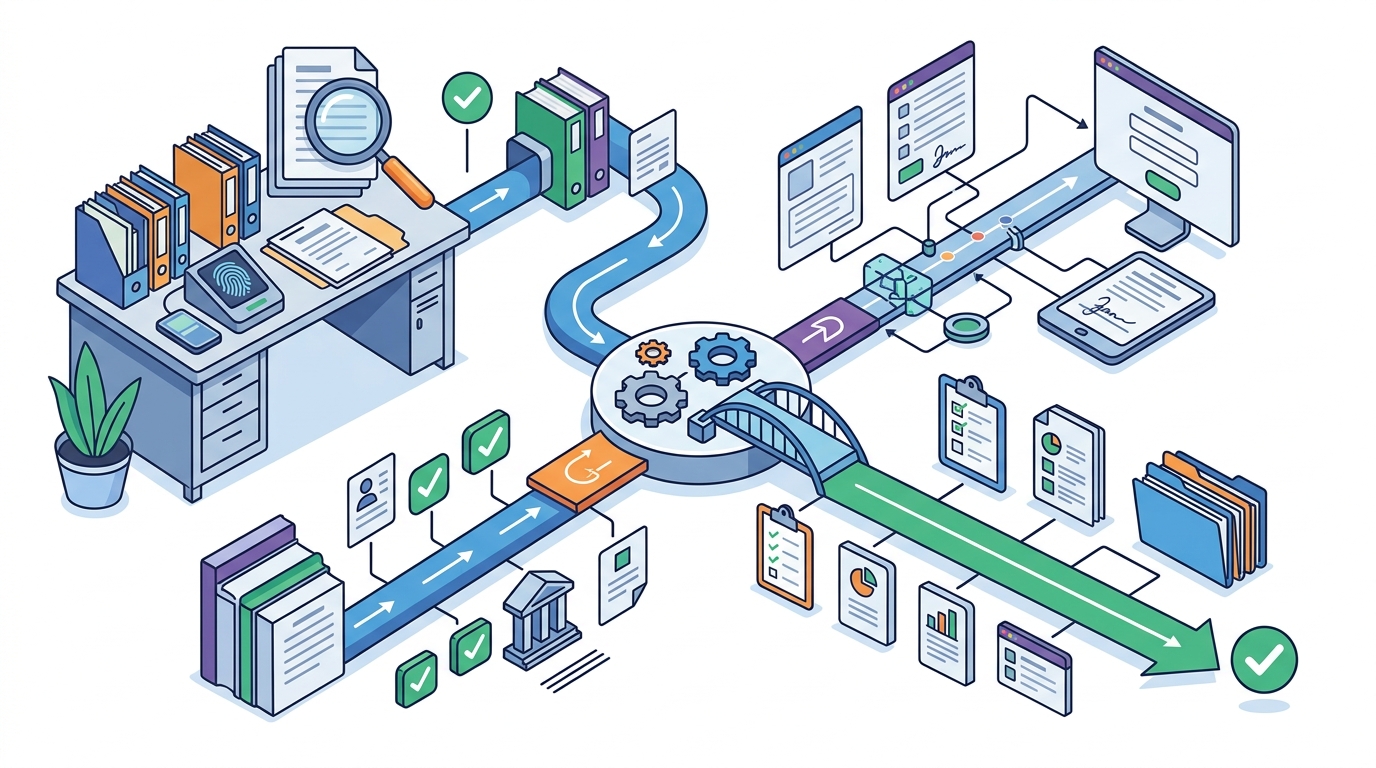
Understanding the workflow helps you set realistic expectations. The process typically begins with candidate consent. The candidate signs a form, often generated by a tool like FormFox, authorizing the background check. Next, the data is transmitted to the screening provider. The provider queries various databases, including criminal records and employment verifications. Finally, the results are returned to your system. This entire process can take anywhere from 24 hours to two weeks, depending on the complexity of the check. For drug testing, the sample is sent to a lab, and the results are reported separately. Integrating these two streams requires careful mapping of data fields to ensure that the final report is accurate. For additional details, review the Frequently Asked Questions.
What It Costs
Common Mistakes to Avoid
Many organizations make critical errors during the screening process. One common mistake is failing to obtain proper consent. Without a signed authorization form, the check is illegal. Another mistake is ignoring adverse action procedures. If a check reveals negative information, you must follow a specific legal process before making a hiring decision. A third mistake is assuming that a single check is sufficient. Backgrounds change. For ongoing employees, periodic re-screening may be necessary. Finally, do not assume that a software integration is plug-and-play. Test the integration thoroughly in a staging environment before going live. These mistakes can lead to legal disputes and reputational damage. For additional details, review the About.
Versus Alternatives
Comparing 2verifi to other providers helps you make an informed decision. The table below outlines key differences between 2verifi and other major players in the market.
| Provider | Primary Focus | API Availability | Drug Testing Integration |
|---|---|---|---|
| 2verifi | Background Checks | Yes | Third-party Lab |
| Sumsub | Identity Verification | Yes | No |
| Jumio | Identity Verification | Yes | No |
| Entrust | Identity Verification | Yes | No |
As shown in the table, 2verifi focuses on background checks, while competitors like Sumsub and Jumio focus on identity verification. This distinction is important. If you need drug testing, you must ensure that the provider has a relationship with a certified lab. 2verifi provides the background check data, but the drug test is handled by a separate entity. This separation of duties ensures that each component is performed by a specialist.
For a Specific Situation
Rules and Protections
Background screening is governed by strict laws. The primary federal law is the Fair Credit Reporting Act (FCRA). This law requires that you obtain written consent from the candidate before running a check. It also requires that you provide a pre-adverse action notice if you plan to deny employment based on the results. State laws may add additional requirements. For example, some states ban the use of criminal history for certain jobs. Understanding these rules is essential to avoid legal liability. 2verifi is designed to help you comply with these regulations by providing clear, actionable data.
Local Specifics
Local laws can significantly impact your screening process. In some cities, such as New York and San Francisco, there are Learn more: 2verifi com.