

DISA background screening is a comprehensive pre-employment verification process that helps employers validate candidate credentials, criminal history, and employment history. For hiring managers, understanding this service is critical for risk mitigation and compliance. 2verifi provides the foundational infrastructure for these checks, ensuring that the data you receive is accurate and actionable. This guide explains how DISA operates within the broader screening ecosystem and what you need to know to integrate it effectively into your hiring workflow. For additional details, review the 2verifi com.
Understanding the Scope of DISA Screening
DISA, or Defense Information Systems Agency, is a U.S. Department of Defense agency that manages information systems for the military and civilian workforce. In the context of commercial hiring, the term often refers to the rigorous standards and data integrity protocols associated with federal-grade screening. Background screening is the process of verifying a candidate's identity, criminal record, and professional history to ensure they meet job requirements. Employers must recognize that while DISA manages federal data, commercial providers like 2verifi utilize similar data aggregation techniques to deliver reliable results for private sector roles. The implication for your hiring process is that you are not just checking a box; you are accessing a tier of data that prioritizes accuracy over speed. For additional details, review the Frequently Asked Questions.
Compliance and Legal Considerations
Navigating the legal landscape of background checks is a primary concern for HR teams. The Fair Credit Reporting Act (FCRA) is the federal law that governs how consumer report information, including background checks, is collected and used. FCRA compliance is the legal obligation to obtain written consent from a candidate before running a background check and to provide adverse action notices if the results affect employment. DISA-aligned screening processes are designed to adhere to these strict federal standards. By using a provider that mirrors these high-level compliance frameworks, you reduce the risk of legal liability. This ensures that your hiring decisions are defensible and fair, protecting both your organization and the candidate. For additional details, review the About.
Data Accuracy and Verification Standards
The value of a background check lies entirely in the accuracy of the data returned. Inaccurate data can lead to wrongful terminations or the hiring of unqualified candidates. DISA is known for its role in maintaining the integrity of federal personnel records, which sets a benchmark for data quality. Data verification is the systematic process of confirming that the information in a report matches official records from primary sources. When you engage with a screening partner, you should ask how they verify data points. 2verifi focuses on providing up-to-date and comprehensive information, which is essential for making informed decisions. The implication is that you should prioritize providers who can demonstrate their data sourcing and verification methods, rather than just looking at turnaround time.
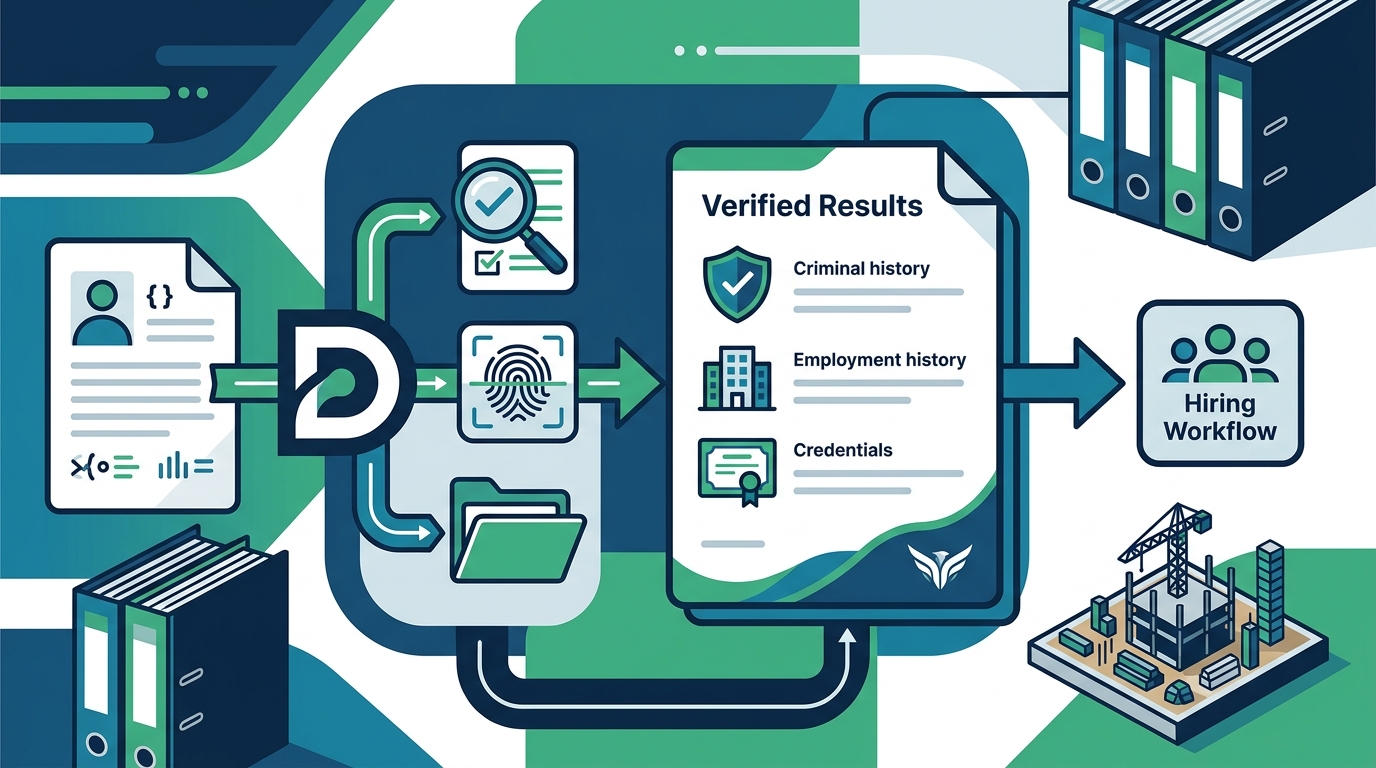
Integrating Screening into Your Hiring Workflow
Choosing the Right Screening Partner
Not all background check providers are created equal, and the market is crowded with options. You need a partner that understands your specific industry risks and compliance needs. DISA’s reputation for excellence in information management serves as a useful reference point for what to expect from a top-tier provider. Vendor selection is the strategic process of evaluating and choosing a background check provider based on data quality, compliance, and cost. When evaluating partners, look for transparency in their data sources and a clear track record of accuracy. 2verifi positions itself as a provider of accurate and reliable information, which is the core requirement for any serious hiring operation. By choosing a partner that aligns with these high standards, you ensure that your hiring process is both efficient and secure.
Key Takeaways
- DISA background screening refers to high-standard, federal-grade verification processes that prioritize data accuracy.
- FCRA compliance is mandatory for all employers running background checks in the United States.
- Data verification is the critical step that ensures the information in a report is correct and up-to-date.
- Workflow integration with your ATS can significantly reduce the time spent on administrative tasks.
- Vendor selection should focus on data quality and compliance rather than just price or speed.
Frequently Asked Questions
What is DISA in the context of background checks?
DISA is the Defense Information Systems Agency, a federal agency that manages information systems. In commercial screening, it often serves as a benchmark for data integrity and security standards.
Is DISA screening mandatory for private employers?
No, DISA screening is not mandatory for private employers. However, many private companies adopt similar high-standard verification processes to ensure data accuracy and compliance.
How does 2verifi relate to DISA standards?
2verifi provides background check services that focus on accuracy and reliability, aligning with the high standards of data management seen in federal agencies like DISA.
What is the most important legal requirement for background checks?
How long does a DISA-aligned background check take?
Turnaround times vary, but high-standard checks typically take 24 to 72 hours, depending on the complexity of the candidate's history and the data sources involved. Learn more: 2verifi com.