

Property owners who skip rigorous background checks face significant financial exposure. According to the National Apartment Association, the average cost of evicting a tenant is approximately $3,800, not including lost rent and property damage. This statistic highlights why professional tenant screening is not merely an administrative task but a critical financial safeguard. By implementing a standardized vetting process, landlords can reduce vacancy risks and ensure long-term portfolio stability. This guide details the essential components of a thorough background check, legal requirements, and how to leverage technology for faster, more accurate decisions.
Why Professional Screening Matters
Tenant screening is the process of evaluating prospective renters to determine their suitability for a lease. It involves verifying income, checking credit history, and reviewing criminal records. Without this process, landlords rely on intuition, which is often unreliable and legally risky. Professional screening provides objective data that supports informed decision-making.
The financial implications of poor tenant selection are severe. Evictions can take months to resolve, during which the property generates no revenue. Additionally, damaged properties require costly repairs that eat into profit margins. By using a comprehensive screening service, landlords can identify red flags before signing a lease. This proactive approach minimizes the likelihood of late payments, lease violations, and eventual eviction proceedings.
Furthermore, consistent screening practices protect landlords from discrimination claims. When every applicant is evaluated against the same criteria, the process becomes defensible and fair. This consistency is crucial for maintaining a reputable rental business and avoiding legal penalties.
Core Components of a Background Check
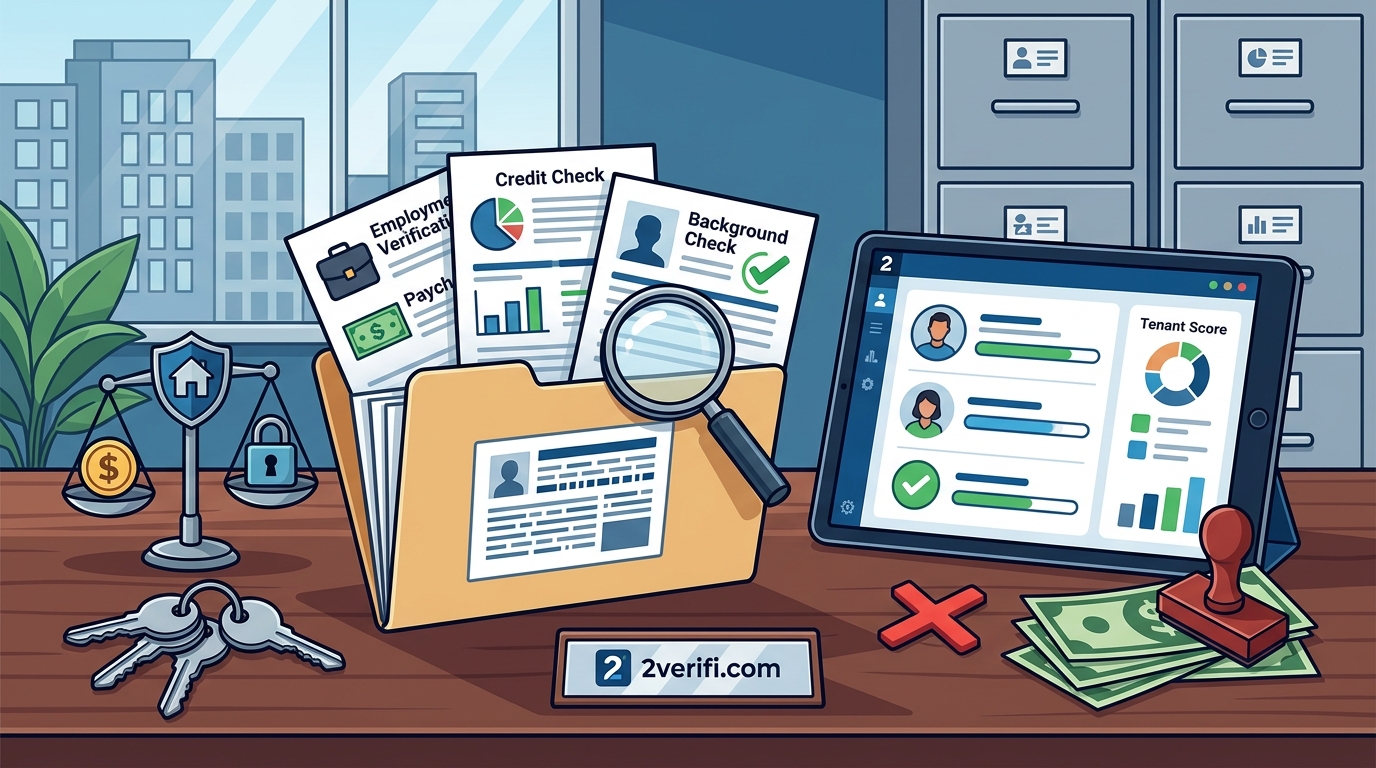
A thorough tenant screening report includes several distinct data points. Each component offers a different perspective on the applicant's reliability and financial stability. Understanding these elements allows landlords to build a complete profile of the prospective tenant.
Credit History and Financial Stability
Credit checks reveal an applicant's history of managing debt. Landlords look for patterns of late payments, high credit utilization, and outstanding judgments. A strong credit score suggests financial responsibility, while a low score may indicate potential cash flow issues. However, credit scores alone do not tell the whole story. Income verification is equally important to ensure the tenant can afford the rent.
Criminal Background Checks
Criminal history reviews help assess the safety of the property and other residents. These checks typically cover county, state, and federal records. Landlords must be careful to interpret these results within the context of Fair Housing laws. A past conviction does not automatically disqualify an applicant, especially if it was minor or occurred long ago. The focus should be on recent behavior and the nature of the offense.
Eviction History
Eviction records are perhaps the most predictive factor in future tenant behavior. If an applicant has been evicted previously, they are statistically more likely to face eviction again. Screening services aggregate data from court records to provide a clear eviction history. This information helps landlords avoid repeating past mistakes and protects their investment from potential legal entanglements.
Employment and Income Verification
Verifying employment ensures that the applicant has a stable source of income. Landlords typically require that monthly gross income is at least three times the monthly rent. This ratio provides a buffer for other living expenses. Direct contact with employers or digital verification tools can confirm job status and salary accuracy. This step prevents applicants from inflating their income on rental applications.
Legal Compliance and Fair Housing
Navigating the legal landscape of tenant screening is complex. Landlords must adhere to federal, state, and local regulations to avoid discrimination lawsuits. The Fair Housing Act prohibits discrimination based on race, color, religion, sex, national origin, familial status, or disability. These protected classes must be considered carefully when setting screening criteria.
Another critical legal requirement is the FCRA, or Fair Credit Reporting Act. This law governs how consumer information is collected and used. When a landlord uses a third-party screening service, they must follow specific procedures. If an applicant is denied based on information in the report, the landlord must provide an adverse action notice. This notice must include the name of the reporting agency and the applicant's right to dispute the information.
State and local laws may impose additional restrictions. Some jurisdictions limit the lookback period for criminal records to seven years. Others ban the consideration of arrest records that did not lead to convictions. Landlords must stay informed about the specific regulations in their area to ensure full compliance. Ignorance of the law is not a valid defense in court.
The Impact of Technology on Screening
Technology has revolutionized the tenant screening industry. Traditional paper-based checks were slow and prone to errors. Modern digital platforms provide instant results and comprehensive data aggregation. This speed allows landlords to respond to applicants quickly, which is crucial in competitive rental markets.
Automated screening tools reduce human bias by applying consistent criteria to every application. These systems can flag potential issues automatically, allowing landlords to focus on high-value decisions. Additionally, digital platforms often integrate with property management software, streamlining the entire leasing workflow.
Data analytics also play a growing role in screening. Some services offer predictive scoring models that estimate the likelihood of on-time rent payment or lease compliance. While these tools are not perfect, they provide valuable insights that complement traditional background checks. Landlords who embrace technology gain a significant competitive advantage in attracting high-quality tenants.
Choosing the Right Screening Provider
Selecting a reliable screening service is essential for accurate results. Not all providers offer the same depth of data or level of customer support. Landlords should evaluate providers based on coverage, speed, and compliance features.
| Feature | Premium Provider | Basic Provider |
|---|---|---|
| Report Speed | Under 60 seconds | 24-48 hours |
| Data Coverage | National and County-wide | County-only |
| FCRA Compliance | Built-in Adverse Action | Manual Process Required |
| Customer Support | Dedicated Account Manager | Email Only |
Premium services like those offered by 2verifi provide comprehensive coverage and rapid results. These platforms often include additional features such as income verification and soft credit checks. By choosing a robust provider, landlords can ensure they are making decisions based on the most accurate and up-to-date information available.
Key Takeaways
- The average cost of eviction is approximately $3,800, making screening a cost-saving measure.
- Credit checks, criminal records, and eviction history are the three pillars of tenant screening.
- Income verification should confirm that rent is no more than 30% of gross monthly income.
- FCRA compliance requires adverse action notices when denying applications based on report data.
- Fair Housing laws prohibit discrimination based on protected classes during the screening process.
- Digital screening tools reduce bias and accelerate the leasing timeline significantly.
- Consistent screening criteria protect landlords from legal liability and ensure fairness.
Frequently Asked Questions
What is the standard income requirement for renters?
The standard requirement is that the tenant's gross monthly income must be at least three times the monthly rent. This ensures they have sufficient funds for other expenses.
Do I need permission to run a background check?
Yes, you must obtain written consent from the applicant before running any background or credit checks. This is a strict requirement under the FCRA.
Can I deny an applicant based on a criminal record?
You can consider criminal records, but you must apply your criteria consistently to all applicants. Disparate impact on protected classes can lead to legal issues.
How long do eviction records stay on a report?
Eviction records can remain on a report for up to seven years, depending on the jurisdiction and the status of the case.
What is an adverse action notice?
An adverse action notice is a formal letter sent to an applicant if you deny them based on information in their background report. It must include the reporting agency's contact information.
Why is employment verification important?
Employment verification confirms that the applicant has a stable job and income source, reducing the risk of future rent defaults.
How does technology improve tenant screening?
Technology provides faster results, broader data coverage, and automated compliance checks, making the process more efficient and accurate.
Start Screening Today
Protect your investment with professional tenant screening. Reliable data and fast results are essential for successful property management. Visit 2verifi.com to learn more about our comprehensive screening solutions and start protecting your portfolio today.