
Employment verification is the backbone of risk management in modern hiring. A single error in this process can lead to costly legal disputes, fraudulent hires, or reputational damage. According to the Association of Certified Fraud Examiners, occupational fraud costs organizations an average of 5% of annual revenue, with many cases stemming from inadequate background checks. This statistic highlights why rigorous verification protocols are not optional but essential for business integrity.
Understanding the Basics of Employment Verification
Before diving into errors, it is crucial to define what employment verification entails. Employment verification is the process of confirming a job applicant's work history, job titles, dates of employment, and eligibility to work. This step ensures that the candidate's resume accurately reflects their professional experience.
Without this confirmation, companies risk hiring individuals who have inflated their credentials or concealed gaps in their history. The goal is to validate the narrative presented in the application against independent, authoritative sources. This validation protects the organization from liability and ensures a qualified workforce.
Many organizations still rely on manual phone calls or emails to previous employers. While this method has been traditional, it is prone to human error and bias. Modern verification requires a systematic approach that prioritizes accuracy and speed.
Common Mistakes in the Verification Process
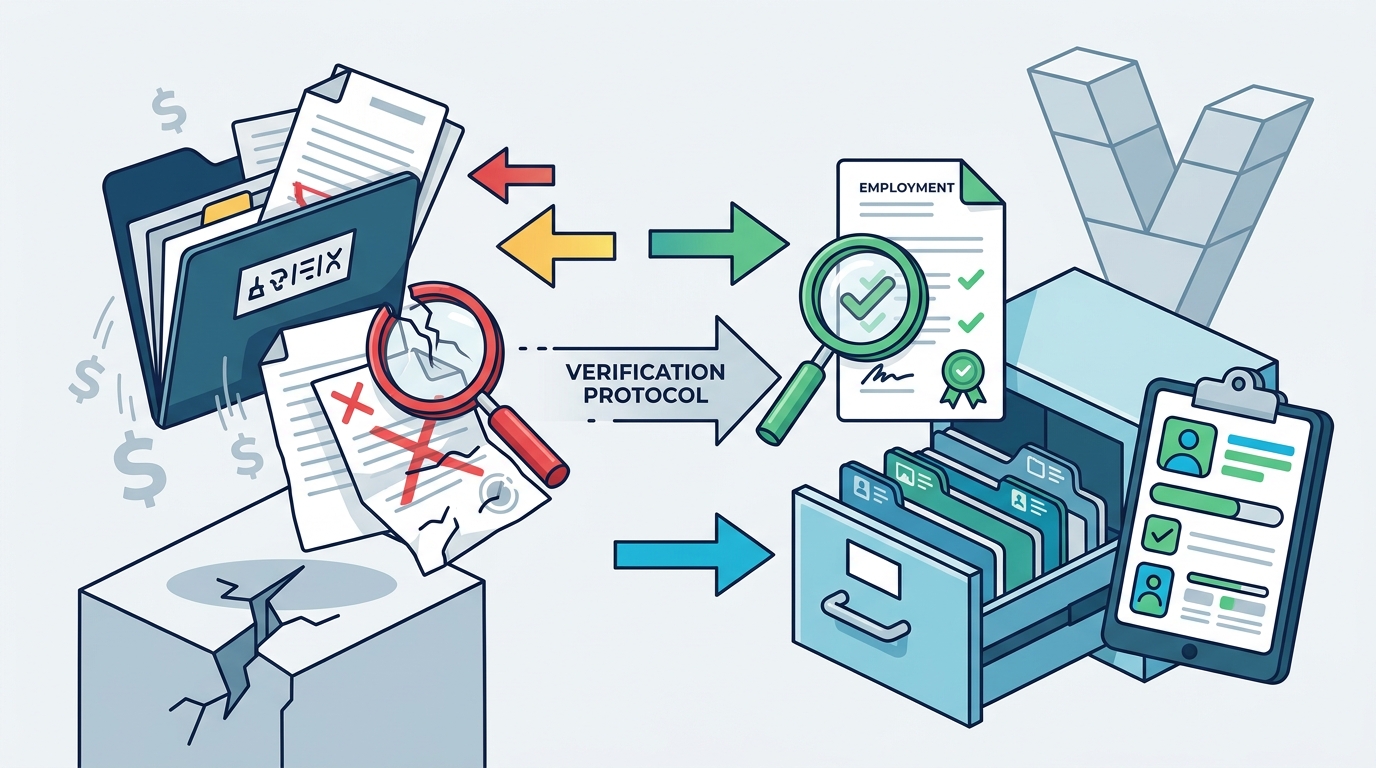
Even experienced HR professionals can fall into traps during the verification phase. These mistakes often stem from rushing the process or lacking standardized protocols. Below are the most frequent errors and how to correct them.
1. Relying Solely on Candidate-Provided Information
A critical error is accepting the candidate's word without independent confirmation. Candidates may provide incorrect contact details for former supervisors intentionally or accidentally. Always verify contact information through official company directories or LinkedIn profiles to ensure you are reaching the correct authority.
2. Ignoring Gaps in Employment History
Unexplained gaps in a resume can be a red flag, but ignoring them is a mistake. Instead of dismissing the candidate, ask for clarification. A gap might indicate a career break, further education, or a period of contract work that was not listed. Understanding the context prevents the loss of talented individuals.
3. Failing to Verify Eligibility to Work
Verifying work history is not enough. Companies must also confirm legal eligibility to work in the country. This involves checking I-9 forms and E-Verify status where applicable. Neglecting this step can lead to severe federal penalties and compliance issues.
4. Overlooking Reference Checks
Many employers focus only on dates and titles, ignoring behavioral references. While not part of strict verification, references provide context on performance and conduct. Skipping this step leaves a blind spot in your hiring decision.
Legal Compliance and Data Privacy
Employment verification is heavily regulated. Mishandling candidate data can result in lawsuits and regulatory fines. Understanding the legal landscape is non-negotiable for any HR department.
The FCRA and Background Checks
In the United States, the Fair Credit Reporting Act (FCRA) governs how background checks are conducted. If you use a third-party service, you must obtain written consent from the candidate. You must also provide adverse action notices if the verification leads to a rejection. Failure to comply can result in significant financial penalties.
Data Privacy Laws
Global regulations like the General Data Protection Regulation (GDPR) in Europe impose strict rules on data handling. Candidate information must be stored securely and only used for the purpose of verification. Data retention policies must be clearly defined and communicated to candidates.
According to a report by the International Association of Privacy Professionals, data breaches involving employee information have increased by 20% in recent years. This trend underscores the need for robust cybersecurity measures in verification processes.
Leveraging Technology for Accuracy
Manual verification is slow and error-prone. Technology offers a solution that enhances speed and accuracy. Automated verification platforms can instantly confirm employment data through direct integrations with previous employers' HR systems.
Benefits of Automated Verification
- Speed: Reduce verification time from days to minutes.
- Accuracy: Minimize human error in data entry.
- Compliance: Built-in checks for FCRA and GDPR adherence.
- Scalability: Handle high volumes of hires without additional staff.
Platforms like 2verifi specialize in streamlining this process. By using automated tools, companies can ensure that every verification is thorough and consistent. This consistency is vital for maintaining fairness and reducing bias in hiring.
Integration with HRIS
Seamless integration with existing Human Resource Information Systems (HRIS) is crucial. The verification data should flow directly into the candidate's profile, creating a single source of truth. This integration reduces administrative burden and improves data accessibility for hiring managers.
Best Practices for HR Teams
To avoid common pitfalls, HR teams should adopt a structured approach to verification. Here are actionable strategies to improve your process.
Standardize Your Verification Protocol
Create a clear checklist for every hire. Define which roles require which levels of verification. For example, executive roles may require deeper background checks than entry-level positions. Consistency ensures that no candidate is overlooked.
Communicate Clearly with Candidates
Transparency builds trust. Inform candidates about the verification process upfront. Explain what data will be collected and how it will be used. This openness reduces anxiety and encourages candidates to provide accurate information.
Train Your Staff
Regular training on compliance updates and verification techniques is essential. HR staff should be knowledgeable about current laws and best practices. This knowledge empowers them to handle complex situations confidently.
Use Multiple Data Sources
Do not rely on a single source for verification. Cross-reference data from official records, tax documents, and professional networks. This multi-layered approach increases the reliability of your findings.
Key Takeaways
- Risk Mitigation: Occupational fraud costs organizations an average of 5% of annual revenue, making verification a financial imperative.
- Legal Compliance: The Fair Credit Reporting Act (FCRA) requires written consent and adverse action notices for background checks.
- Data Privacy: Data breaches involving employee information have increased by 20%, highlighting the need for secure storage.
- Technology Adoption: Automated verification platforms reduce processing time from days to minutes while improving accuracy.
- Standardization: A consistent verification protocol ensures fairness and reduces the risk of oversight.
- Transparency: Clear communication with candidates builds trust and encourages accurate information sharing.
- Training: Regular staff training on compliance and techniques is essential for effective verification.
Frequently Asked Questions
What is the most common mistake in employment verification?
The most common mistake is relying solely on candidate-provided information without independent confirmation. This can lead to accepting fraudulent credentials.
Do I need consent to verify employment?
Yes, in most jurisdictions, including under the FCRA in the US, you must obtain written consent from the candidate before conducting a background check or verification.
How long does employment verification take?
Manual verification can take several days. Automated verification through platforms like 2verifi can complete the process in minutes.
What happens if a former employer does not respond?
If a former employer does not respond, attempt to verify through alternative official sources, such as HR departments or public records, if available.
Can I verify employment for international candidates?
Yes, but you must comply with local data privacy laws and verification standards in the candidate's country of employment.
What is the difference between verification and background checks?
Employment verification specifically confirms work history and eligibility. Background checks are broader and may include criminal history, credit checks, and education verification.
How can I ensure data privacy during verification?
Use secure, compliant platforms that encrypt data and adhere to regulations like GDPR and CCPA. Limit access to verification data to authorized personnel only.
Why is consistency important in verification?
Consistency ensures that all candidates are treated fairly and reduces the risk of legal challenges based on discriminatory practices.
Streamline Your Verification Process
Stop letting manual errors compromise your hiring quality. Protect your organization from fraud and compliance risks by adopting a robust verification strategy. Visit 2verifi.com to learn how our automated solutions can transform your employment verification process. Schedule a demo today to see how we can help you hire with confidence.