
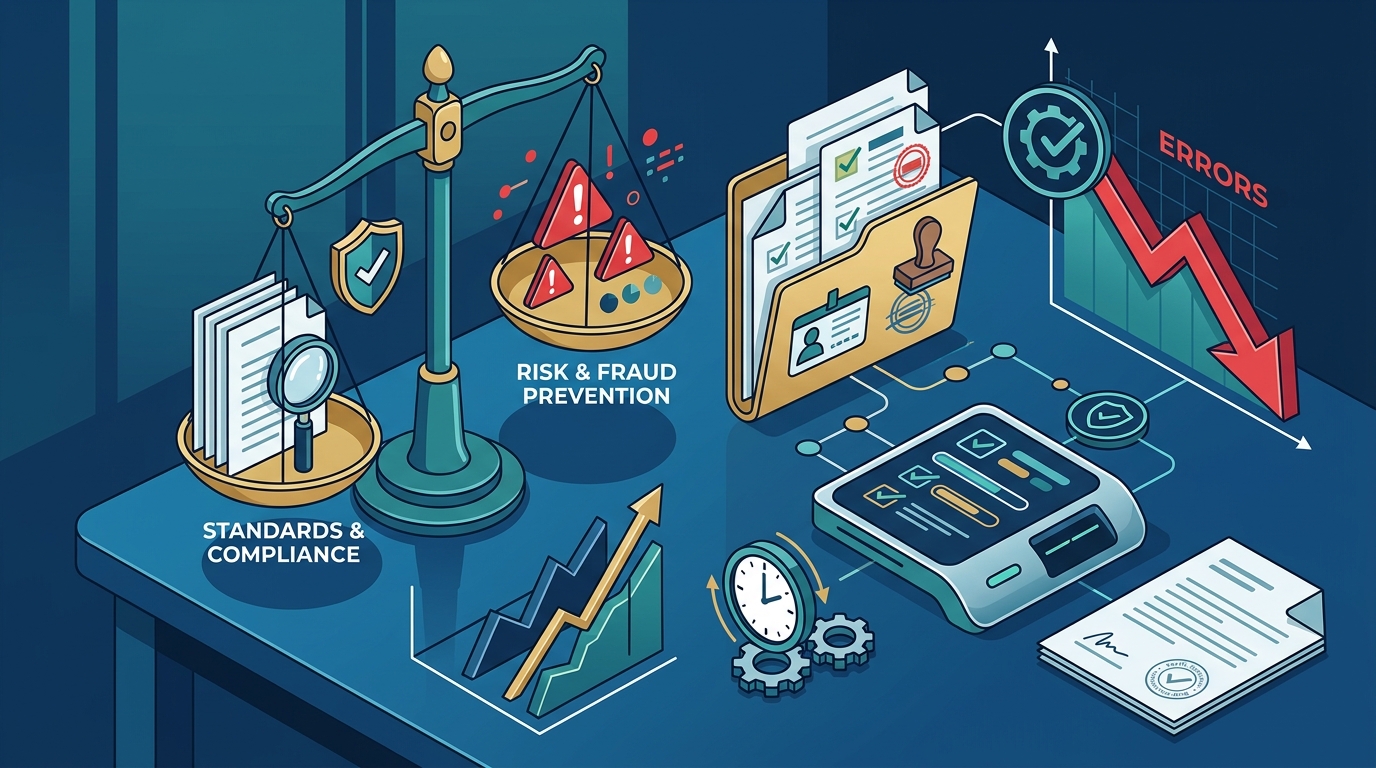
Employment verification is no longer a simple administrative checkbox. It is a critical component of risk management, fraud prevention, and regulatory adherence for modern enterprises. According to recent industry analyses, organizations that implement automated verification protocols reduce background check errors by over 40% compared to manual processes. This shift is driven by the increasing complexity of labor laws and the sophistication of identity fraud. Companies must navigate a landscape where accuracy is paramount and compliance is non-negotiable. The following guide outlines the essential standards, technical requirements, and strategic frameworks necessary to build a robust verification ecosystem.
Understanding Verification Standards
Employment verification is the process of confirming an individual's work history, job titles, and dates of employment. This process ensures that candidates have accurately represented their professional background. Accuracy in this domain protects organizations from hiring individuals with fabricated credentials. The standard verification workflow typically involves contacting previous employers or using third-party data aggregators to validate claims.
Verification is not merely about confirming past jobs. It also involves assessing the legitimacy of the employment relationship. This includes checking for gaps in employment, verifying the nature of the role, and confirming the reason for leaving. These details provide context that helps hiring managers make informed decisions. The integrity of the hiring process depends on the reliability of these data points.
Modern verification standards require real-time data access and automated validation. Manual phone calls and emails are being replaced by API-driven solutions that provide instant results. This shift improves efficiency and reduces the time-to-hire metric significantly. Organizations that adopt these standards gain a competitive advantage in attracting top talent.
Regulatory Compliance Frameworks
Compliance is the cornerstone of any employment verification strategy. Organizations must adhere to federal, state, and local regulations governing background checks and data handling. The Fair Credit Reporting Act (FCRA) is the primary federal law regulating consumer reporting agencies. It mandates that employers obtain consent before conducting background checks and provide adverse action notices if a candidate is rejected based on the report.
State laws add another layer of complexity to compliance requirements. Many states have enacted "ban the box" legislation, which prohibits employers from asking about criminal history on initial job applications. These laws vary significantly by jurisdiction, requiring organizations to tailor their verification processes to each region. Ignorance of these local regulations can result in severe legal penalties and reputational damage.
Data privacy regulations also play a crucial role in verification compliance. The General Data Protection Regulation (GDPR) in Europe and the California Consumer Privacy Act (CCPA) in the United States impose strict rules on how personal data is collected, stored, and processed. Employers must ensure that verification data is handled with the highest level of security and transparency. Failure to comply with these privacy laws can lead to substantial fines and loss of consumer trust.
Technical Infrastructure Requirements
A robust technical infrastructure is essential for scalable and accurate employment verification. This infrastructure must support high-volume data processing while maintaining low latency. API integration is the standard method for connecting verification platforms with applicant tracking systems (ATS). This integration allows for seamless data flow and reduces manual entry errors.
Data normalization is a critical technical requirement. Employment data comes from diverse sources with varying formats and standards. A verification platform must normalize this data to ensure consistency and comparability. This process involves standardizing job titles, company names, and date formats. Without normalization, data analysis becomes difficult and prone to errors.
Security protocols must be embedded at every level of the technical stack. Encryption in transit and at rest is mandatory to protect sensitive employee data. Multi-factor authentication (MFA) and role-based access control (RBAC) are essential for managing user permissions. These security measures prevent unauthorized access and data breaches. Organizations must regularly audit their technical infrastructure to ensure ongoing compliance with security standards.
Fraud Prevention Mechanisms
Employment fraud is a growing concern for organizations worldwide. Candidates may fabricate job titles, inflate salaries, or invent employment dates to appear more qualified. Verification platforms must employ advanced fraud detection mechanisms to identify these discrepancies. These mechanisms include cross-referencing data with multiple sources and analyzing patterns indicative of fraud.
Identity verification is a key component of fraud prevention. This process confirms that the candidate is who they claim to be. Techniques such as document verification, biometric scanning, and knowledge-based authentication are commonly used. These methods add layers of security that make it difficult for fraudsters to bypass the system.
Continuous monitoring is another effective fraud prevention strategy. Organizations should monitor employee records for changes or anomalies after hiring. This proactive approach helps detect fraudulent activities early and mitigates potential risks. Regular audits of verification data also help maintain the integrity of the hiring process.
Data Privacy and Security
Data privacy is a fundamental right that must be respected in employment verification. Organizations must obtain explicit consent from candidates before collecting and processing their personal data. This consent should be clear, specific, and informed. Candidates must understand how their data will be used and who will have access to it.
Data minimization is a key principle of privacy compliance. Organizations should only collect and retain the data necessary for the verification process. Excessive data collection increases the risk of breaches and violates privacy principles. Data retention policies must be clearly defined and strictly enforced. Data should be deleted or anonymized once it is no longer needed.
Transparency is essential for building trust with candidates. Organizations should provide clear privacy notices that explain their data practices. Candidates should have the right to access, correct, and delete their personal data. These rights empower candidates and demonstrate the organization's commitment to privacy.
Comparing Verification Methods
Different verification methods offer varying levels of accuracy, speed, and cost. Organizations must choose the method that best fits their needs and budget. The table below compares common verification methods.
| Method | Accuracy | Speed | Cost | Best Use Case |
|---|---|---|---|---|
| API-Driven Verification | High | Real-time | Medium | High-volume hiring |
| Manual Employer Contact | Variable | Slow | Low | Executive roles |
| Third-Party Aggregators | Medium | Fast | Low | Entry-level screening |
| Document Verification | High | Medium | Medium | Identity confirmation |
Key Takeaways
- Automated verification protocols can reduce background check errors by over 40%.
- The Fair Credit Reporting Act (FCRA) mandates consent and adverse action notices.
- State-level "ban the box" laws restrict criminal history inquiries on initial applications.
- GDPR and CCPA impose strict rules on personal data collection and processing.
- API integration is the standard for connecting verification platforms with ATS systems.
- Data normalization ensures consistency across diverse employment data sources.
- Continuous monitoring helps detect post-hire fraudulent activities early.
Frequently Asked Questions
What is the primary purpose of employment verification?
Employment verification is the process of confirming an individual's work history, job titles, and dates of employment to ensure accuracy and prevent fraud.
How does the FCRA impact employment verification?
The Fair Credit Reporting Act requires employers to obtain candidate consent before conducting background checks and to provide adverse action notices if a candidate is rejected based on the report.
What is data normalization in verification?
Data normalization is the process of standardizing job titles, company names, and date formats to ensure consistency and comparability across diverse employment data sources.
Why is API integration important for verification?
API integration allows for seamless data flow between verification platforms and applicant tracking systems, reducing manual entry errors and improving efficiency.
How can organizations prevent employment fraud?
Organizations can prevent employment fraud by using advanced fraud detection mechanisms, identity verification techniques, and continuous monitoring of employee records.
What are the key data privacy regulations affecting verification?
Key regulations include the General Data Protection Regulation (GDPR) in Europe and the California Consumer Privacy Act (CCPA) in the United States, which impose strict rules on data handling.
What is the difference between manual and automated verification?
Manual verification involves contacting employers directly, which is slower and variable in accuracy. Automated verification uses APIs and data aggregators for real-time, high-accuracy results.
How often should verification data be audited?
Verification data should be audited regularly to ensure compliance with security standards and to detect any anomalies or unauthorized changes.
Next Steps
Ensure your organization meets the highest standards of employment verification and compliance. Partner with 2verifi to implement robust, secure, and efficient verification solutions. Contact our team today to schedule a consultation and learn how we can help you streamline your hiring process.