
Employment verification is the cornerstone of risk management for modern hiring teams. According to recent industry data, background screening errors can lead to significant legal liabilities and operational delays for employers. Achieving accuracy requires more than just submitting a form; it demands a strategic approach to data collection, compliance adherence, and the use of specialized verification tools. This guide outlines the precise steps to ensure your employment checks are both legally compliant and factually accurate.
Understanding Verification Types
Accuracy begins with knowing exactly what data points you need to verify. Employment verification is not a monolithic process. It involves distinct categories of data, each requiring specific verification methods. The primary categories include employment dates, job titles, salary history, and eligibility to work. Each of these data points serves a different risk mitigation purpose.
Employment dates are the most commonly verified metric. They confirm the duration of tenure and help identify gaps in employment history. Accuracy here is critical for calculating benefits eligibility and assessing experience levels. Discrepancies in dates often signal potential issues with the candidate's honesty or the reliability of the source.
Job titles provide context for the candidate's responsibilities. A title like "Manager" can mean vastly different things across industries. Verifying the actual scope of work ensures that the candidate's experience aligns with the job description. This step prevents overqualification or underqualification mismatches.
Eligibility to work is a legal requirement in many jurisdictions. In the United States, this involves verifying status through federal databases. The E-Verify authorization report matches an individual’s personal identification factors in the DHS database and in the Social Security Administration database to determine one’s employment eligibility within the United States. Reports will show the following information dependent upon authorization status: Work Authorized, Tentative Non-Confirmation, Watch List or DHS/DOD Hold.
Preparing Documentation
The accuracy of your verification results is directly proportional to the quality of the input data. Incomplete or ambiguous information leads to failed verifications and delayed hiring processes. Candidates must provide clear, written authorization before any checks are initiated. This is not just a best practice; it is a legal mandate under the Fair Credit Reporting Act (FCRA).
Written authorization is the first step in the process. Without explicit consent, no third-party screening provider can legally contact previous employers or access credit and criminal records. The authorization form must clearly state the purpose of the check and the scope of the data being collected. Candidates should be guided to sign this document digitally to ensure a smooth workflow.
Identity proofing is the second critical component. Verifiers need to confirm that the person applying is indeed the person they claim to be. This involves checking government-issued IDs, Social Security numbers, and other unique identifiers. Accurate identity proofing prevents identity theft and ensures that the background check is pulled on the correct individual. Errors in Social Security numbers can lead to "no match" results, forcing manual intervention and delaying the hiring timeline.
Employer contact information must be verified for accuracy. Many companies have changed names, merged, or closed down. Using outdated contact information results in bounced emails and failed phone calls. It is essential to cross-reference previous employers with current business directories or professional networks like LinkedIn to find the correct human resources contact. This step reduces the friction in the verification process and increases the response rate from previous employers.
Utilizing Automated Tools
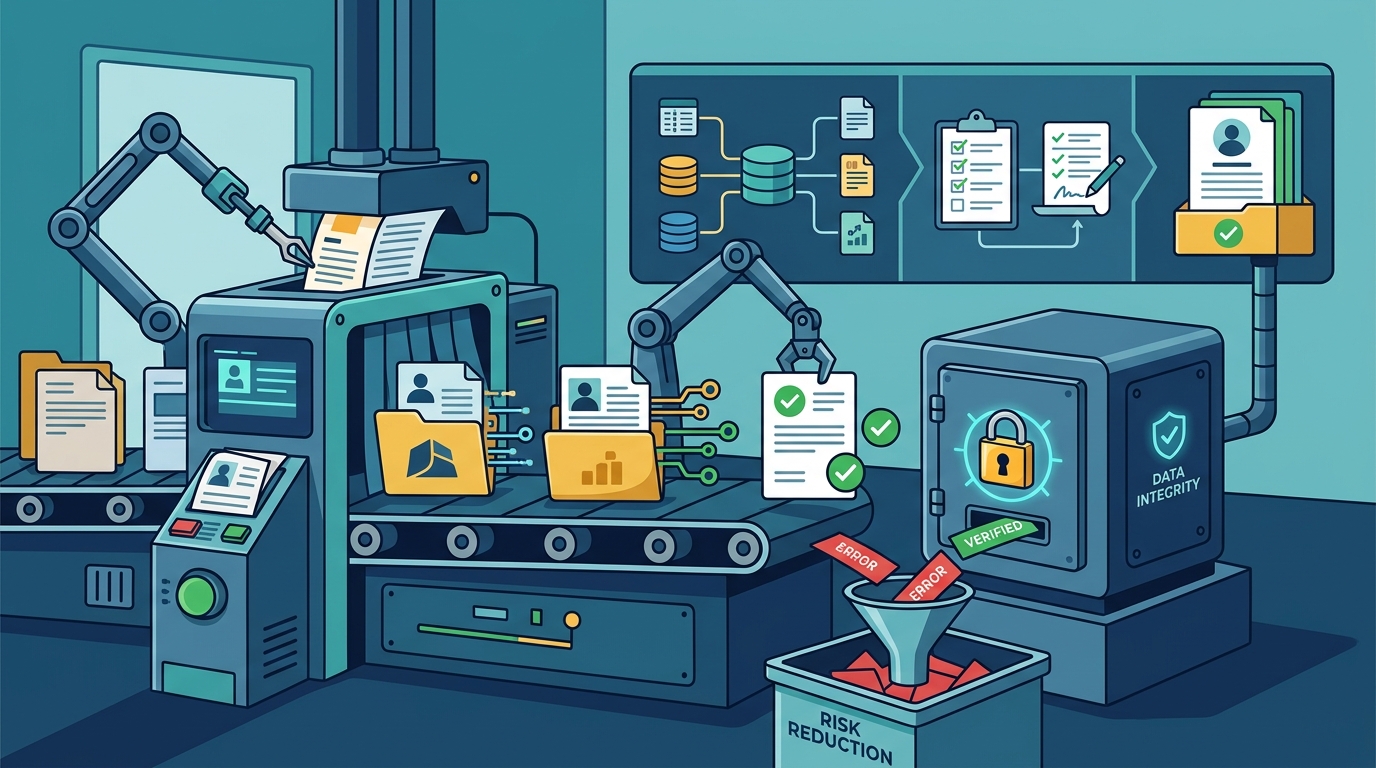
Manual verification is prone to human error and is incredibly time-consuming. Leveraging automated verification platforms ensures consistency and speed. These tools integrate directly with previous employers' human resources systems to pull data in real-time. This method eliminates the guesswork and provides a standardized format for all verification results.
Automated employment verification platforms connect directly to payroll and HR databases. They pull data such as hire dates, termination dates, and job titles directly from the source. This method is considered the gold standard for accuracy because it bypasses the potential bias or memory lapses of individual HR representatives. The data is objective and digitally recorded, reducing the risk of misinterpretation.
Respond® is a service of Verifi, LLC which enables human resources department to effectively and efficiently RESPOND® to requests from employers, financial institutions, and government agencies on the status of a current or former employee. This tool streamlines the process for both the verifier and the previous employer, ensuring that responses are timely and accurate.
Drug testing integration is another critical component of comprehensive verification. For safety-sensitive positions, drug testing must be coordinated seamlessly with the background check process. VERIFI has a strategic partnership with FormFox. FormFox is the fastest, easiest way for employers to order drug tests. This integration ensures that all aspects of the pre-employment check are handled in a unified workflow, reducing administrative overhead.
Managing Compliance
Compliance is the backbone of accurate employment verification. Failure to adhere to federal and state regulations can result in severe penalties and reputational damage. The landscape of employment law is complex and constantly evolving. Employers must stay informed about the latest regulations to ensure their verification processes remain legal and ethical.
FCRA compliance is the most critical regulatory requirement. The Fair Credit Reporting Act governs how consumer report information is collected, used, and shared. Employers must provide clear disclosure and obtain written consent before pulling a background check. If adverse action is taken based on the report, employers must follow specific notification procedures. These steps protect the candidate's rights and ensure the employer is legally protected.
State-specific laws add another layer of complexity. Some states have stricter regulations regarding criminal history checks, salary history inquiries, and data privacy. For example, several states have enacted "ban the box" laws that prohibit employers from asking about criminal history on initial applications. Understanding these local nuances is essential for maintaining compliance across different jurisdictions. The first segment shows you the complaints and investigations being conducted by the FTC, FCRA and additional agencies on other service providers within the background screening industry. The second section contains links to the federal agencies that provide helpful information to consumers.
Data retention policies are also part of compliance. Employers must have clear guidelines on how long they retain background check data. Retaining data longer than necessary increases the risk of data breaches and violates privacy principles. VERIFI, LLC offers a static retainer fee or PRN (as needed) for all it’s compliance services. This flexibility allows employers to manage their compliance costs effectively while ensuring they have access to expert guidance when needed.
Handling Discrepancies
Discrepancies are inevitable in the verification process. A candidate might have a gap in employment, a title that does not match their resume, or a criminal record that was not disclosed. How these discrepancies are handled determines the accuracy and fairness of the hiring decision. A systematic approach to discrepancy management is essential.
Investigation is the first step. When a discrepancy is found, it must be investigated thoroughly. This involves contacting the candidate for an explanation and gathering additional evidence if necessary. It is important to remain objective and avoid making assumptions based on a single data point. The goal is to understand the context behind the discrepancy.
Adverse action procedures must be followed if the discrepancy leads to a decision not to hire. This involves providing the candidate with a pre-adverse action notice, a copy of the background report, and a summary of their rights. After a waiting period, a final adverse action notice must be sent. These steps ensure that the candidate is treated fairly and that the employer is protected from legal challenges.
Documentation of the entire process is critical. Every step of the verification, from initial authorization to final decision, must be documented. This creates an audit trail that can be used to defend the hiring decision if challenged. It also helps identify areas for improvement in the verification process itself.
Key Takeaways
- Employment verification is the cornerstone of risk management for modern hiring teams.
- Written authorization is a legal mandate under the Fair Credit Reporting Act (FCRA).
- Automated tools like RESPOND® streamline the verification process for accuracy.
- Compliance with federal and state laws is essential to avoid legal penalties.
- Discrepancies must be investigated thoroughly before making a hiring decision.
- VERIFI, LLC has nearly half a century of experience in employment screening.
- Strategic partnerships like FormFox enhance the efficiency of drug testing.
Frequently Asked Questions
What is the most accurate method for employment verification?
Automated verification through direct integration with previous employers' HR systems is considered the most accurate method. It eliminates human error and provides real-time data from official sources.
Do I need written consent to verify employment?
Yes, written consent is legally required under the Fair Credit Reporting Act (FCRA) before any background check or employment verification can be conducted.
How long does employment verification take?
Automated verifications can be completed in minutes, while manual verifications may take several days depending on the responsiveness of the previous employer.
What is RESPOND®?
RESPOND® is a service of Verifi, LLC which enables human resources department to effectively and efficiently RESPOND® to requests from employers, financial institutions, and government agencies on the status of a current or former employee.
How do I handle a discrepancy in employment dates?
Contact the candidate for an explanation and request supporting documentation. If the discrepancy cannot be resolved, it may be grounds for further investigation or adverse action.
Is VERIFI, LLC compliant with state-specific laws?
Yes, VERIFI, LLC offers a static retainer fee or PRN (as needed) for all it’s compliance services, ensuring adherence to local regulations across different jurisdictions.
What is E-Verify?
E-Verify is an online system that helps businesses determine if their employees are legally authorized to work in the United States by comparing information from the employee's Form I-9 against information available in U.S. government databases.
Start Your Verification Process Today
Accurate employment verification is not just a compliance checkbox; it is a strategic advantage. By leveraging automated tools, maintaining strict compliance, and following a systematic approach to discrepancy management, you can ensure a fair and efficient hiring process. VERIFI, LLC has built a reputation as the "go to" company for employment screening for companies and government sector employers worldwide. We work in collaboration with clients within a multitude of industries establishing an array of world class products and services.
Ready to streamline your background screening process? Contact Verifi today to learn more about our comprehensive verification solutions and how we can support your hiring needs.