

Employment verification is a critical component of the hiring and lending process, yet errors in this data can derail entire transactions. According to recent industry data, nearly 15% of background checks contain discrepancies that require manual intervention, leading to significant delays in onboarding and loan approvals. This statistic highlights the urgent need for precision in every step of the verification workflow. When accuracy is compromised, the consequences range from minor administrative headaches to severe legal liabilities for employers and financial institutions alike. The goal is not just speed, but the delivery of irrefutable, documented proof of employment history.
Why Accuracy Matters in Verification
Employment verification is the process of confirming that an individual has worked for a specific company, held a particular title, and was employed during a stated period. This definition is crucial because it distinguishes verification from mere reference checking. Verification relies on hard data, while references rely on opinion. Inaccurate data can lead to wrongful hiring decisions, fraud, or regulatory non-compliance.
The stakes are high. For lenders, inaccurate income verification can result in bad debt. For employers, failing to verify past employment can expose the company to liability if a new hire causes harm due to undisclosed past misconduct. Furthermore, the rise of remote work has complicated the landscape, making traditional methods less reliable. Companies must adapt to ensure they are getting the truth, not just a convenient narrative.
Accuracy also impacts the candidate experience. A slow or error-prone verification process can cause candidates to withdraw from offers. In a competitive talent market, speed and precision are key differentiators. Organizations that streamline this process gain a significant advantage in closing deals and securing top talent.
Choosing the Right Verification Method
The method you choose dictates the accuracy and speed of your results. Manual verification involves contacting human resources departments or former managers directly. While this method can provide nuanced insights, it is prone to human error and delays. HR departments are often overwhelmed, leading to slow responses or incomplete information.
Digital verification platforms offer a more robust solution. These systems automate the collection of data from multiple sources, including payroll providers, tax records, and direct employer APIs. This approach reduces the margin for error and accelerates the timeline significantly. The choice between manual and digital methods should depend on the volume of verifications and the required level of detail.
For high-volume operations, manual verification is unsustainable. The cost per verification increases, and the risk of inconsistency grows. Digital platforms provide a standardized process that ensures every verification is handled with the same level of rigor. This consistency is vital for maintaining compliance and operational efficiency.
Essential Data Requirements
To ensure accuracy, you must collect the correct data points from the start. Missing information is the primary cause of verification failures. The essential data points include the candidate's full legal name, dates of employment, job titles, and salary history. Without these core elements, the verification process cannot begin effectively.
Additionally, you need authorization. Employment verification is governed by strict privacy laws, such as the Fair Credit Reporting Act (FCRA) in the United States. Candidates must provide written consent before their employment history is accessed. Failure to obtain this consent can result in severe legal penalties and reputational damage.
Another critical requirement is the candidate's contact information for their former employers. This includes specific HR portals, email addresses, or phone numbers. Relying on general company switchboards often leads to dead ends. Direct access to the verification department ensures faster and more accurate responses.
Leveraging Digital Verification Tools
Digital tools have revolutionized the verification landscape. Platforms like 2Verifi specialize in connecting directly with data sources to retrieve accurate employment and income data. These tools use advanced algorithms to match candidate information with employer records, reducing the need for manual follow-up.
The integration of API-driven verification allows for real-time data retrieval. This means that instead of waiting days for a letter or email, you can receive confirmation in minutes. This speed is crucial for time-sensitive decisions, such as loan approvals or urgent hiring needs.
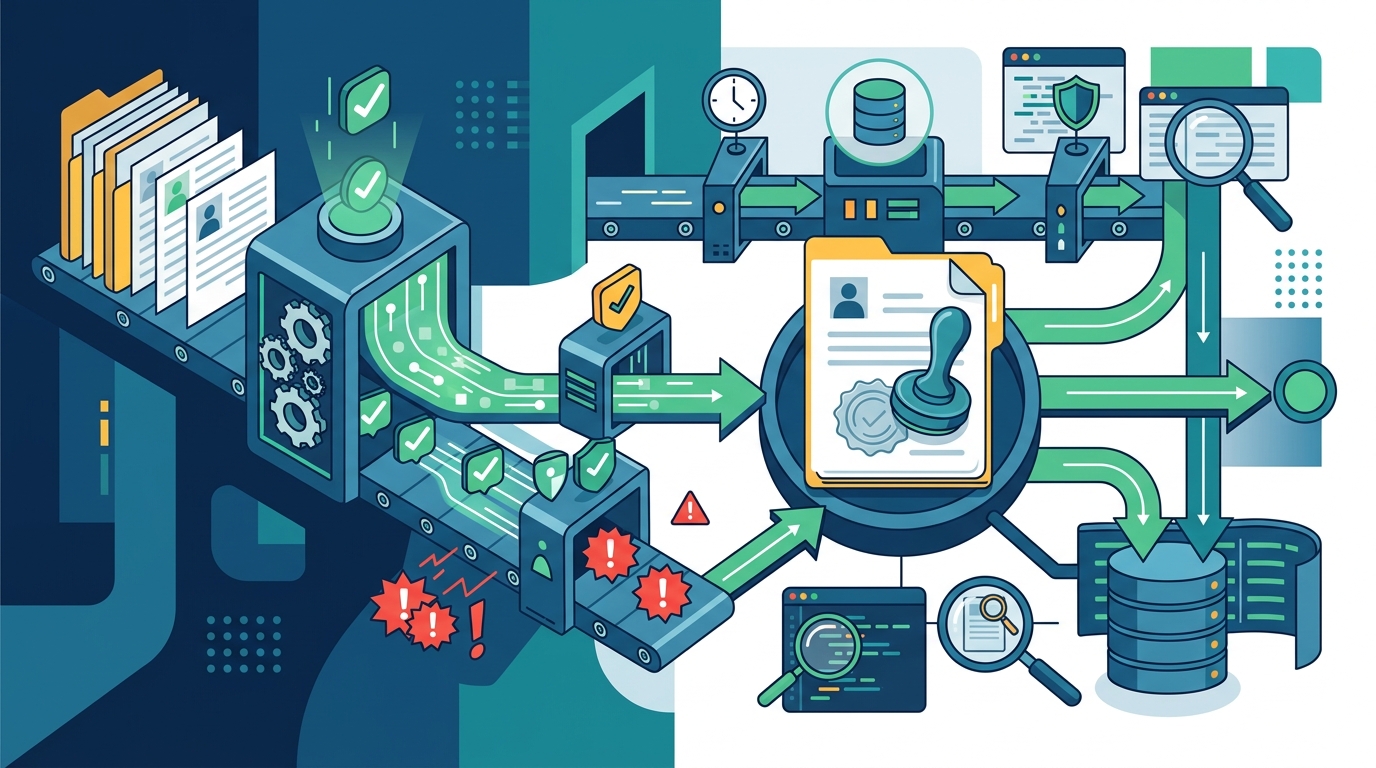
Furthermore, digital tools provide a secure audit trail. Every step of the verification process is logged, providing proof of compliance and accuracy. This audit trail is invaluable during legal disputes or regulatory audits. It demonstrates that the organization followed due diligence in its hiring or lending practices.
When selecting a digital tool, consider its coverage and accuracy rates. Not all platforms have access to the same data sources. A platform with broad coverage ensures that you can verify employment history across various industries and company sizes. Look for providers that offer direct integrations with major payroll providers and HR systems.
Common Pitfalls to Avoid
Even with the best tools, errors can occur. One common pitfall is relying on self-reported data without verification. Candidates may exaggerate their roles or dates of employment. Always cross-reference self-reported data with independent sources.
Another pitfall is ignoring gaps in employment history. Gaps are not necessarily negative, but they require explanation. Failing to address gaps can lead to incomplete verification reports. Use the verification process to clarify these periods and ensure a complete picture of the candidate's history.
Finally, do not neglect the candidate's privacy. Mishandling sensitive employment data can lead to data breaches and loss of trust. Ensure that your verification process complies with all relevant data protection regulations. Secure storage and transmission of data are non-negotiable.
Key Takeaways
- Accuracy in employment verification prevents legal liabilities and bad hiring decisions.
- Digital verification platforms offer speed and consistency that manual methods cannot match.
- Written candidate consent is a legal requirement before initiating any verification.
- Essential data points include full name, employment dates, job titles, and salary.
- API-driven tools provide real-time data retrieval and comprehensive audit trails.
- Self-reported data must always be cross-referenced with independent sources.
- Compliance with privacy laws is critical to maintaining trust and avoiding penalties.
Frequently Asked Questions
How long does employment verification take?
Manual verification can take several days to weeks, depending on the responsiveness of former employers. Digital verification platforms can often complete the process in minutes or hours by accessing automated data sources directly.
Is candidate consent required for verification?
Yes, written consent is legally required in most jurisdictions, including under the FCRA in the United States. Verifying employment without consent can result in significant legal penalties.
What is the difference between employment verification and reference checking?
Employment verification confirms factual data such as dates of employment and job titles. Reference checking gathers subjective opinions about a candidate's work performance and character from former colleagues or managers.
Can I verify employment if the company is out of business?
Yes, but it may be more challenging. You may need to access archived records, contact former HR personnel, or use third-party databases that hold historical employment data.
How do I ensure the accuracy of the verification report?
Use reputable digital verification tools that integrate directly with payroll and HR systems. Cross-reference the data with multiple sources when possible, and maintain a detailed audit trail of the verification process.
What data is needed to start the verification process?
You need the candidate's full legal name, dates of employment, job titles, and contact information for their former employers. Authorization from the candidate is also required.
Are there legal risks in inaccurate verification?
Yes, inaccurate verification can lead to wrongful hiring, fraud, and regulatory non-compliance. It can also result in legal action from candidates if their data is mishandled or reported incorrectly.
Get Started with 2Verifi
Stop guessing and start verifying with precision. 2Verifi provides the accurate, fast, and compliant employment verification services you need to make confident decisions. Our platform leverages advanced technology to connect you with the data you need, when you need it. Visit 2Verifi today to streamline your verification process and ensure accuracy in every transaction.