
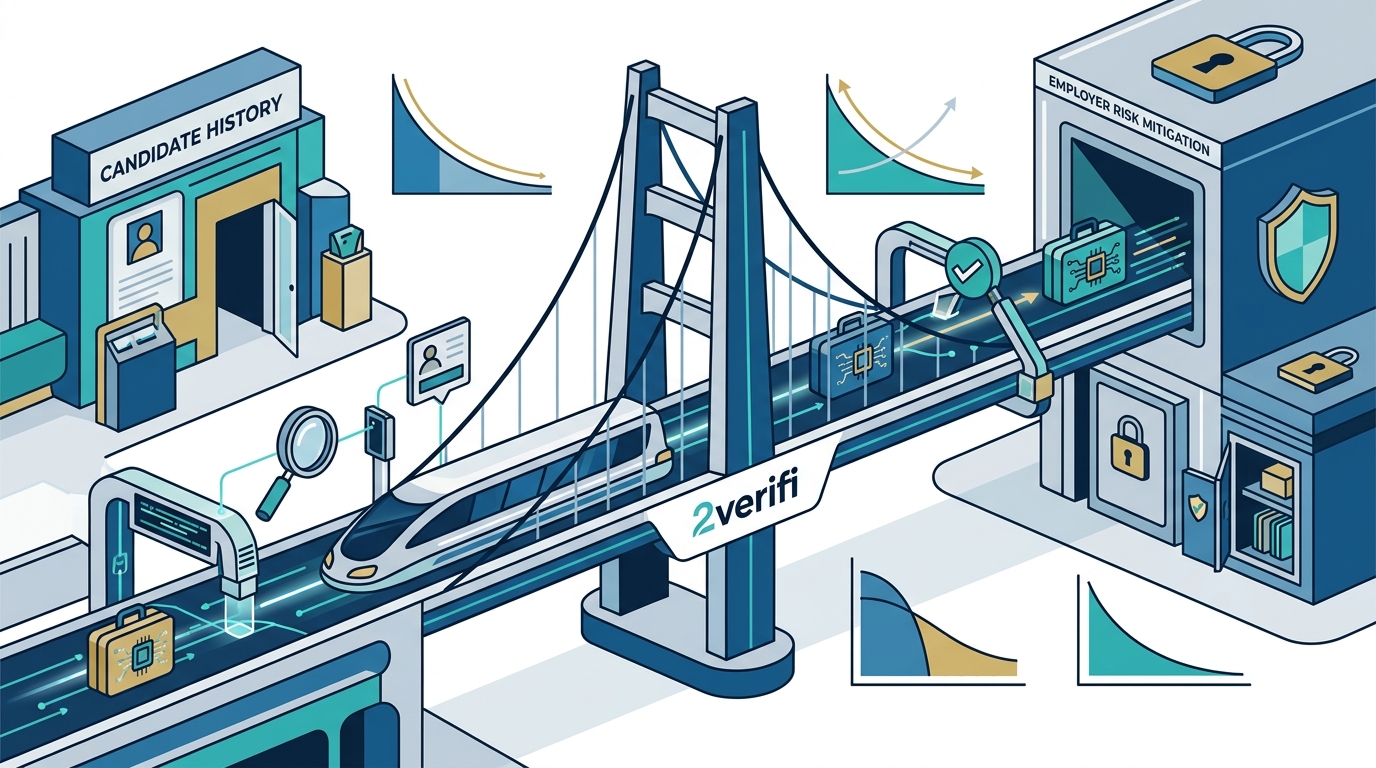
Employment verification is the critical bridge between candidate transparency and employer risk mitigation. According to recent industry compliance reports, over 85% of organizations now utilize automated screening to validate professional histories before making final hiring decisions. This shift is driven by the need to reduce fraud and ensure regulatory adherence across diverse sectors. Accurate data is not merely a formality; it is a foundational element of workforce integrity and operational security.
Why Accuracy Matters in Screening
Employment verification is the process of confirming a candidate's work history, job titles, and eligibility to work. Accuracy in this domain prevents costly hiring mistakes and protects organizational reputation. When data is incorrect, companies face legal liabilities and potential security breaches. The stakes are high for both private enterprises and government entities.
For nearly half a century, industry leaders have built reputations on delivering reliable screening solutions. These organizations understand that a single error can derail a hiring process. The goal is to provide a clear, unambiguous picture of a candidate's professional past. This clarity allows hiring managers to make informed decisions with confidence.
Accuracy also extends to identity verification and legal eligibility. The E-Verify authorization report matches an individual’s personal identification factors in the DHS database and in the Social Security Administration database to determine one’s employment eligibility within the United States. Reports will show the following information dependent upon authorization status: Work Authorized, Tentative Non-Confirmation, Watch List or DHS/DOD Hold. This level of detail is essential for maintaining a compliant workforce.
The Verification Workflow
Understanding the workflow is key to ensuring accurate results. The process typically begins with candidate consent and data collection. This is followed by direct contact with previous employers or use of centralized databases. Each step must be documented to maintain an audit trail.
Data Collection and Consent
The first step is obtaining explicit permission from the candidate. Without this, any verification attempt is invalid. The data collected includes names, dates of employment, and job titles. This information is then cross-referenced with official records. The accuracy of the initial input directly impacts the final output.
Direct Employer Contact
Direct contact remains the gold standard for verification. It allows for real-time confirmation of employment status and role specifics. However, this method can be time-consuming and prone to human error. Automated systems help streamline this process by integrating with HR platforms.
Database Cross-Referencing
For large-scale screenings, database cross-referencing is essential. This involves checking against national and regional databases for criminal history and credit reports. The integration of these data sources ensures a comprehensive view of the candidate. It also helps identify any potential red flags early in the process.
Compliance Frameworks
Compliance is non-negotiable in the background screening industry. Regulations such as the Fair Credit Reporting Act (FCRA) set strict guidelines for how data is collected and used. Violations can result in significant fines and legal action. Therefore, adherence to these frameworks is critical for any screening provider.
The first segment shows you the complaints and investigations being conducted by the FTC, FCRA and additional agencies on other service providers within the background screening industry. The second section contains links to the federal agencies that provide helpful information to consumers. Understanding these regulations helps employers navigate the complex legal landscape.
Compliance and Due Diligence are key to a successful outcome in background checks and drug testing. This involves regular audits of screening processes and continuous training for staff. It also requires staying updated on changing laws and regulations. A proactive approach to compliance ensures long-term success and trust.
Technology Impact
Technology has revolutionized the verification landscape. Automated systems can process thousands of requests in minutes, compared to days or weeks manually. This speed is crucial for fast-paced hiring environments. However, technology must be balanced with human oversight to ensure accuracy.
Respond® is a service of Verifi, LLC which enables human resources department to effectively and efficiently RESPOND® to requests from employers, financial institutions, and government agencies on the status of a current or former employee. This platform exemplifies how technology can streamline communication and data retrieval.
Furthermore, the integration of AI and machine learning helps identify patterns and anomalies in data. This enhances the ability to detect fraud and inconsistencies. As technology continues to evolve, the accuracy and efficiency of verification processes will only improve.
Choosing a Provider
Selecting the right verification provider is a strategic decision. It requires evaluating their experience, technology, and compliance record. Look for providers with a long-standing history in the industry. They should offer a range of services to meet diverse needs.
| Provider Feature | Description | Benefit |
|---|---|---|
| Experience | Years in business and client base | Ensures reliability and expertise |
| Technology | Automation and integration capabilities | Speeds up the verification process |
| Compliance | Adherence to FCRA and other laws | Reduces legal risk |
| Support | Customer service and responsiveness | Ensures smooth operations |
VERIFI, LLC offers a static retainer fee or PRN (as needed) for all it’s compliance services. This flexibility allows companies to choose a model that fits their budget and volume needs. It is important to compare these options carefully.
Key Takeaways
- Accurate employment verification is essential for risk mitigation and compliance.
- The workflow involves consent, data collection, and cross-referencing.
- Compliance with FCRA and other regulations is mandatory.
- Technology enhances speed and accuracy but requires oversight.
- Choosing a provider with a strong history and robust technology is critical.
- VERIFI, LLC has served clients for nearly half a century.
- E-Verify reports provide crucial employment eligibility data.
Frequently Asked Questions
What is the most accurate method for employment verification?
Direct contact with previous employers combined with database cross-referencing is considered the most accurate method. It provides real-time confirmation and comprehensive data.
How long does the verification process take?
The time frame varies depending on the complexity of the screening. Automated processes can take minutes, while manual checks may take several days.
Is employment verification legally required?
While not always legally required, it is a standard practice in many industries to ensure workforce integrity and compliance with regulations.
What is E-Verify?
E-Verify is an online system that helps businesses and government agencies determine if individuals are eligible to work in the United States.
How do I choose a background screening provider?
Evaluate their experience, technology, compliance record, and customer support. Look for providers with a long-standing reputation in the industry.
What is the role of compliance in screening?
Compliance ensures that screening processes adhere to laws like the FCRA, protecting both the employer and the candidate from legal issues.
Can technology replace human oversight in verification?
While technology enhances efficiency, human oversight is still necessary to interpret data and handle complex cases accurately.
Next Steps
Ready to streamline your employment verification process? Contact VERIFI, LLC today to learn more about our comprehensive screening solutions. Visit our contact page to speak with a specialist. Ensure your hiring decisions are backed by accurate, compliant data.