

Background Check Pricing Models and ROI Comparison for Enterprise Organizations
Enterprise organizations face a critical financial decision when selecting background screening partners. The cost of a single bad hire can exceed $50,000 in lost productivity and recruitment expenses. According to the Society for Human Resource Management, the average cost per hire in the United States is approximately $4,700, but for executive roles, this figure can skyrocket to over $400,000. Understanding the underlying pricing models of background check providers is not merely an administrative task. It is a strategic financial imperative that directly impacts the bottom line. This guide dissects the primary pricing structures, evaluates their return on investment, and provides a framework for making data-driven decisions.
Understanding Background Check Pricing Models
Background screening is not a one-size-fits-all service. Providers utilize various pricing architectures to accommodate the diverse needs of large-scale organizations. Recognizing these models is the first step in optimizing your screening budget.
Per-Check Pricing
Per-check pricing is the most traditional model. You pay a fixed fee for each individual background report generated. This model offers transparency and simplicity. It is ideal for organizations with fluctuating hiring volumes. However, it can become expensive at scale. The lack of volume discounts may erode margins for high-growth enterprises.
Subscription-Based Pricing
Subscription models charge a recurring monthly or annual fee. This fee often includes a set number of checks or unlimited checks within specific categories. This model provides predictable budgeting. It is particularly effective for companies with steady, high-volume hiring needs. Predictable costs allow finance teams to forecast expenses with greater accuracy.
Custom Enterprise Contracts
Large enterprises often negotiate custom contracts. These agreements are tailored to specific operational requirements. They may include volume tiers, dedicated account management, and API integration support. Custom contracts offer the highest level of flexibility. They allow organizations to align costs directly with their unique hiring workflows.
Calculating ROI for Enterprise Screening
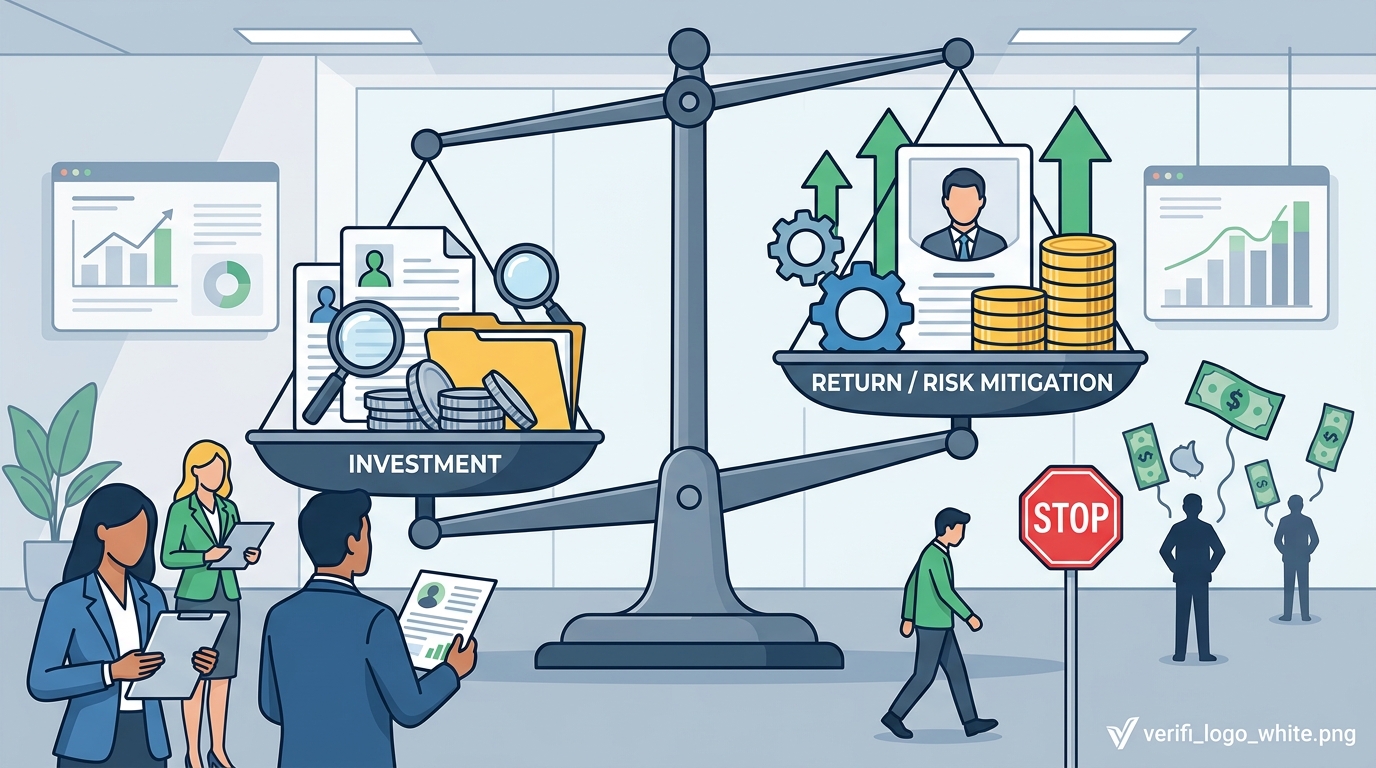
Return on investment (ROI) in background screening is measured by risk mitigation and efficiency gains. The direct cost of the check is only a fraction of the total value proposition. Effective screening prevents costly legal liabilities and reputational damage.
Risk Mitigation Value
Every fraudulent hire poses a significant financial risk. According to the Association of Certified Fraud Examiners, organizations lose 5% of their revenue to fraud annually. For a large enterprise, this percentage translates to millions of dollars in losses. Background checks serve as a primary defense against this threat. The ROI is realized through the avoidance of these potential losses.
Efficiency and Speed to Hire
Speed is a critical factor in talent acquisition. Slow hiring processes result in lost candidates to competitors. Automated background checks reduce time-to-hire by streamlining the verification process. Faster onboarding means new employees begin contributing to revenue sooner. This acceleration directly improves the overall efficiency of the recruitment funnel.
Compliance and Legal Savings
Non-compliance with employment laws can result in severe penalties. Regulations such as the Fair Credit Reporting Act (FCRA) impose strict requirements on background screening. Proper screening ensures adherence to these laws. Avoiding legal fines and attorney fees is a tangible component of ROI. It protects the organization from costly litigation.
Pricing Model Comparison
The following table compares the primary pricing models available to enterprise organizations. This comparison highlights the strengths and weaknesses of each approach.
| Pricing Model | Best For | Cost Predictability | Scalability | Key Benefit |
|---|---|---|---|---|
| Per-Check | Low to Medium Volume | Low | High | No long-term commitment |
| Subscription | Steady High Volume | High | Medium | Budget certainty |
| Custom Enterprise | Large Scale Operations | Medium | Very High | Tailored integration |
| API-Driven | Automated Workflows | Variable | High | Seamless HRIS integration |
Key Takeaways
- Enterprise background check costs vary significantly based on volume and complexity.
- Subscription models offer the highest budget predictability for steady hiring needs.
- Custom contracts provide the best ROI for large-scale, complex organizations.
- API integration reduces manual labor costs and accelerates time-to-hire.
- Risk mitigation is the primary driver of background check ROI.
- Compliance with FCRA and local regulations is non-negotiable for enterprises.
- Choosing the right provider impacts both financial and operational outcomes.
Frequently Asked Questions
What is the average cost of an enterprise background check?
The average cost varies widely based on the scope of the check. Basic criminal searches may cost between $30 and $50. Comprehensive enterprise checks can range from $100 to $300 or more per candidate. Volume discounts significantly reduce these per-unit costs.
How does subscription pricing compare to per-check pricing?
Subscription pricing offers fixed monthly costs, which aids in budgeting. Per-check pricing scales directly with hiring volume. Subscriptions are often more cost-effective for high-volume hirers. Per-check models are better for irregular hiring patterns.
What is the ROI of background checks?
ROI is calculated by comparing the cost of screening to the savings from avoided bad hires. Studies suggest that effective screening can save organizations thousands of dollars per hire. The primary value lies in risk reduction and compliance.
Do enterprise contracts include API access?
Many enterprise contracts include API access for seamless HRIS integration. This feature automates the screening process. It reduces manual data entry and speeds up decision-making. API access is a key differentiator for modern providers.
How do you calculate the cost of a bad hire?
The cost includes recruitment expenses, training time, and lost productivity. It also includes the potential for fraud or legal issues. Estimates suggest a bad hire can cost 30% to 50% of the employee's first-year earnings.
What compliance regulations apply to background checks?
Key regulations include the Fair Credit Reporting Act (FCRA) and local ban-the-box laws. These laws dictate how and when checks can be conducted. Non-compliance can result in significant legal penalties.
Can background check costs be negotiated?
Yes, costs are often negotiable for enterprise clients. Volume commitments and long-term contracts provide leverage. Negotiating can lead to significant savings and added services.
Next Steps
Optimizing your background screening strategy requires a clear understanding of your unique needs. Partnering with a reliable provider ensures compliance and efficiency. Visit 2verifi.com to explore our enterprise solutions. Our team is ready to help you build a secure and cost-effective hiring process. Contact us today to schedule a consultation and discover how we can support your organization's growth.