

Employment Verification Services for New Hires: A 2026 Guide
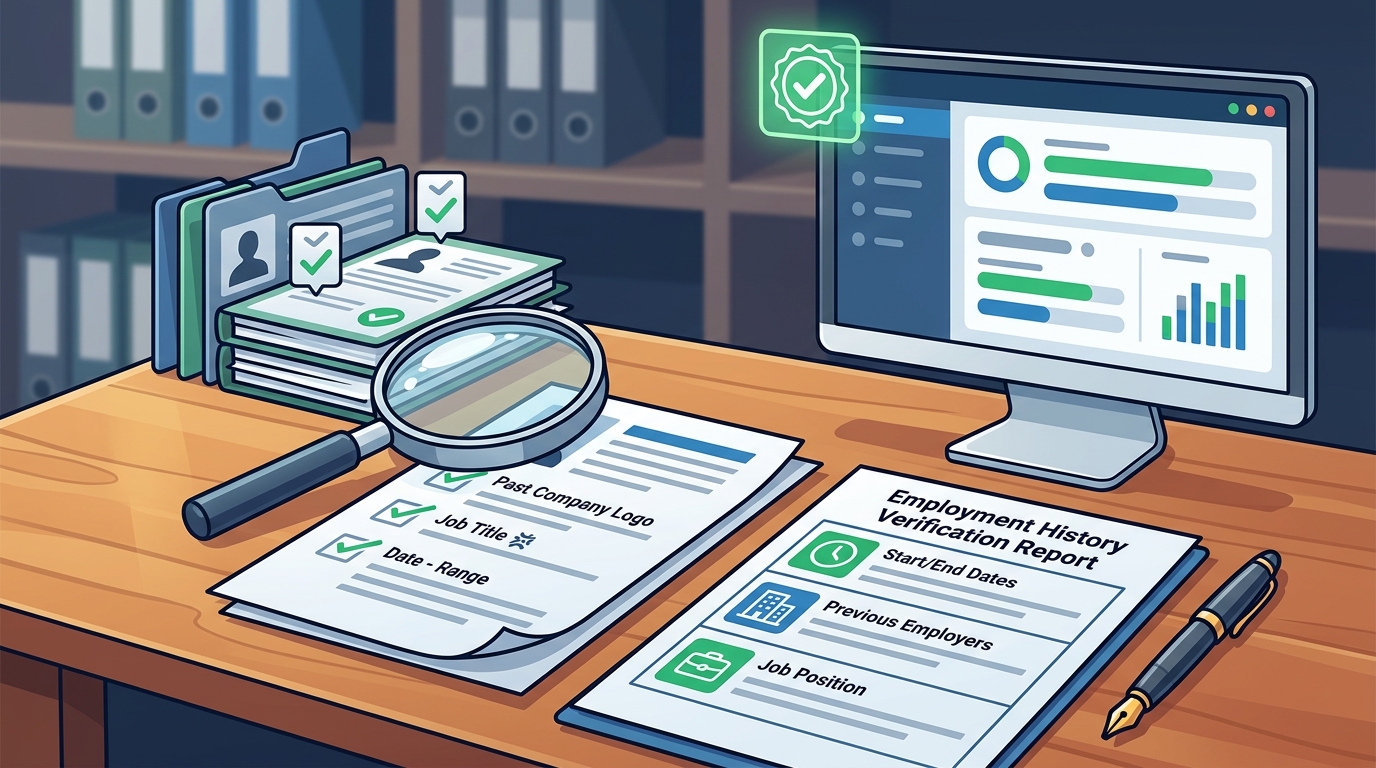
Employment verification is the process of confirming a candidate's past work history, job titles, and dates of employment. For new hires, this step is critical to prevent fraud and ensure role fit. This guide explains how background screening companies verify employment history, why it matters, and how to choose the right provider. We will cover the core components of verification, the legal landscape, and how to integrate these checks into your hiring workflow. For additional details, review the 2verifi com.
Employment Verification Services
Employment verification is a specific type of background check that validates a candidate's professional history. It is distinct from general criminal record checks because it focuses on the accuracy of the resume. Most employers use this service to confirm that a candidate actually held the positions they claim. This helps mitigate the risk of hiring someone who has inflated their experience or tenure. For additional details, review the .
Core Components of Verification
Why It Matters for New Hires
Hiring the wrong person is expensive. Replacing an employee can cost up to 200% of their annual salary. By verifying employment history, you reduce the risk of bad hires. This is especially important for roles that require specific experience or certifications. A verified resume builds trust between the employer and the new hire. For additional details, review the Customer Experience.
Legal Compliance and FCRA
Background checks are governed by strict federal and state laws. The primary law in the United States is the Fair Credit Reporting Act (FCRA). The FCRA is a federal law that regulates how consumer reporting agencies collect and use personal information. It ensures that background checks are fair, accurate, and used only for legitimate purposes. For additional details, review the Frequently Asked Questions.
FCRA Requirements
To comply with the FCRA, employers must obtain written consent from the candidate before running a background check. They must also provide a disclosure form that lists the types of checks being performed. If adverse action is taken based on the report, the employer must provide a copy of the report and a summary of rights. Failure to follow these steps can result in legal liability. For additional details, review the About.
State and Local Laws
Many states and cities have additional laws that restrict the use of criminal history in hiring. These are often called Learn more: 2verifi com.