

Employment verification is the process of confirming a candidate's past work history, job titles, and dates of employment. For new hires, this step is critical to mitigate risk and ensure compliance. This guide explains how 2verifi and other providers handle these checks. It covers FCRA rules, data sources, and how to choose the right screening partner. For additional details, review the 2verifi com.
FCRA Compliance
The Fair Credit Reporting Act (FCRA) is a federal law that regulates how consumer reporting agencies collect and use personal information. It is the legal backbone of all background screening in the United States. Employers must adhere to strict disclosure and consent procedures before initiating a check. according to The Fair Credit For additional details, review the .
Disclosure and Consent
Before running a background check, you must provide the candidate with a clear and conspicuous disclosure. This document must stand alone and not be combined with other application forms. The candidate must then provide written authorization. This step ensures the individual knows exactly what data will be reviewed. For additional details, review the Customer Experience.
Adverse Action Procedures
If a report contains information that leads you to deny employment, you must follow adverse action procedures. First, you provide the candidate with a copy of the report and a summary of their rights. You must wait a reasonable period for them to dispute inaccuracies. Only after this window can you make a final decision. Failure to follow these steps can result in significant legal liability. For additional details, review the Frequently Asked Questions.
State-Specific Regulations
While the FCRA is federal, many states have their own laws. Some states restrict the use of criminal history or limit how long you can consider past employment gaps. You must ensure your screening process complies with both federal and local regulations. 2verifi helps clients navigate these complex legal landscapes by providing compliant reporting frameworks. For additional details, review the About.
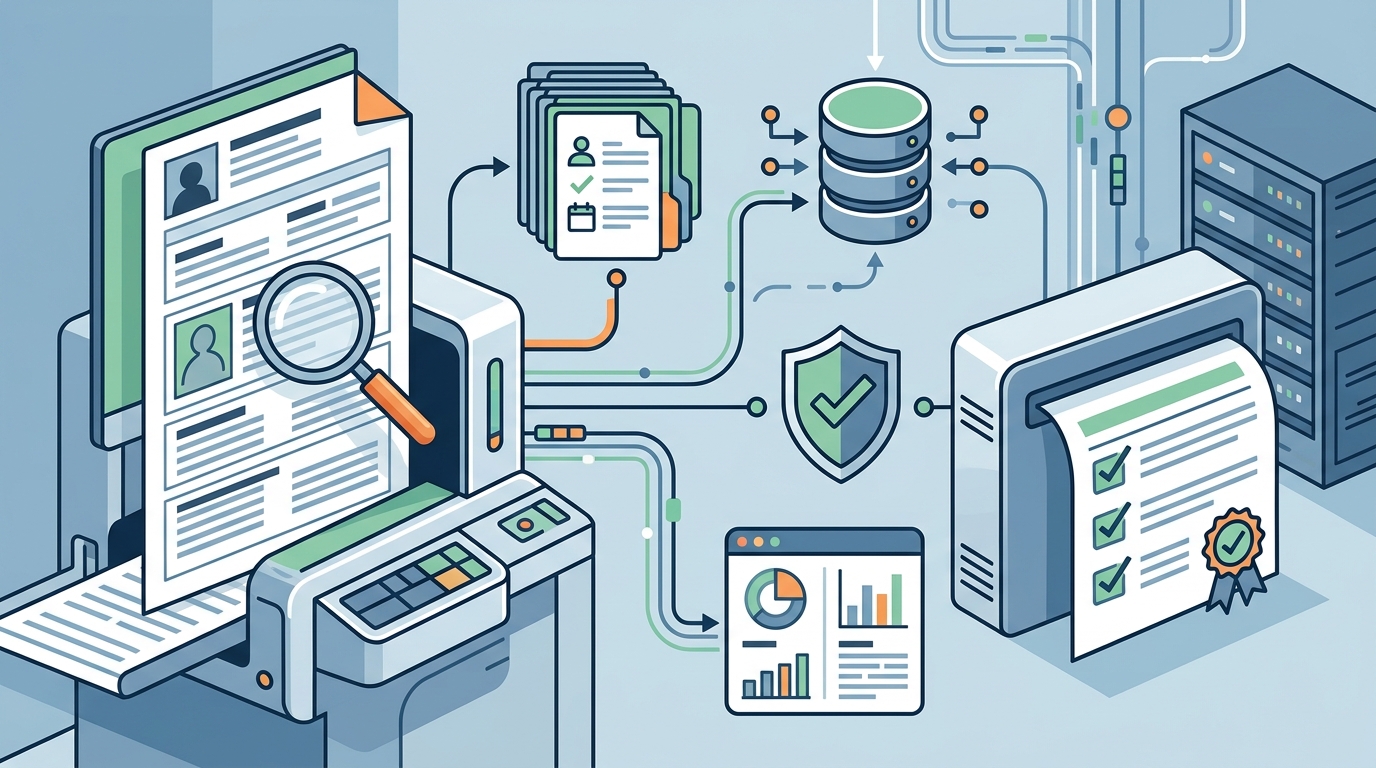
Employment Verification Services
Employment verification is a specific type of background check that confirms a candidate's work history. It is distinct from criminal or credit checks. This service validates the dates of employment, job titles, and sometimes salary information. It helps prevent resume fraud and ensures the candidate has the experience they claim.
What Is Verified?
Manual vs. Automated Verification
Why It Matters for New Hires
For new hires, accurate employment history is a key predictor of job performance. Candidates who falsify their history often have other integrity issues. Verifying this data early protects your investment in onboarding and training. It also ensures that the person you hire actually has the skills and experience required for the role.
Employment Verification Providers
Key Provider Features
Comparison of Provider Types
| Provider Type | Speed | Accuracy | Cost Structure |
|---|---|---|---|
| Manual/Phone | Slow (5-10 days) | Variable | Per Report |
| Automated Database | Fast (24-48 hours) | High | Subscription/Per Report |
| Hybrid (2verifi) | Fast | Very High | Flexible |
Why 2verifi Stands Out
Employment Data Sources
The quality of a background check depends entirely on the data sources used. Providers aggregate information from various public and private records. Understanding where this data comes from helps you assess the reliability of the report. Different sources have different levels of accuracy and coverage.
Public Records vs. Private Databases
Direct Employer Verification
The most reliable source is the employer itself. Direct verification involves contacting the previous employer's HR department. This method provides the highest level of accuracy. However, it can be time-consuming if the employer is unresponsive. Providers with strong direct verification capabilities can significantly reduce the risk of false negatives.
Data Accuracy and Discrepancies
No data source is perfect. Discrepancies can arise from data entry errors or changes in company names. A good provider will flag these discrepancies and attempt to resolve them. They should provide a clear explanation of any conflicts in the data. This transparency allows you to make an informed decision based on the facts.
Background Screening Companies
Scope of Services
Compliance and Security
Security is paramount when handling sensitive employee data. Look for providers that are SOC 2 compliant and use end-to-end encryption. They should have strict data retention policies and clear privacy practices. Compliance with the FCRA is non-negotiable. A provider that takes compliance seriously will have dedicated legal teams and regular audits.
Integration and API Access
Key Takeaways
- Employment verification is a critical step in the hiring process to prevent resume fraud.
- FCRA compliance requires clear disclosure and written consent before any check is run.
- Automated verification is faster and more accurate than manual phone calls.
- Data source quality directly impacts the reliability of the final report.
- Direct employer verification provides the highest level of accuracy.
- Security and compliance are non-negotiable when selecting a screening partner.
- API integration can streamline the hiring workflow for larger organizations.
Frequently Asked Questions
What is the difference between employment verification and a background check?
How long does employment verification take?
Automated verification can take as little as 24 to 48 hours. Manual verification can take 5 to 10 business days. The time depends on the responsiveness of the previous employer and the provider's data sources.
Is employment verification required by law?
There is no federal law that requires employment verification for all hires. However, it is a best practice for risk mitigation. Some industries, such as finance and healthcare, may have specific regulatory requirements that mandate verification.
Can a candidate dispute the results of an employment verification?
Yes. If a report contains inaccurate information, the candidate has the right to dispute it. You must provide them with a copy of the report and a summary of their rights. You must wait for their response before making a final hiring decision.
What data sources do providers use for employment verification?
How does 2verifi ensure compliance with the FCRA?
2verifi provides compliant reporting frameworks that guide clients through disclosure and adverse action procedures. They ensure that all data is collected and used in accordance with federal and state laws. Their platform is designed to help employers meet their legal obligations. Learn more: 2verifi com.