
Direct Verification with Previous Employers
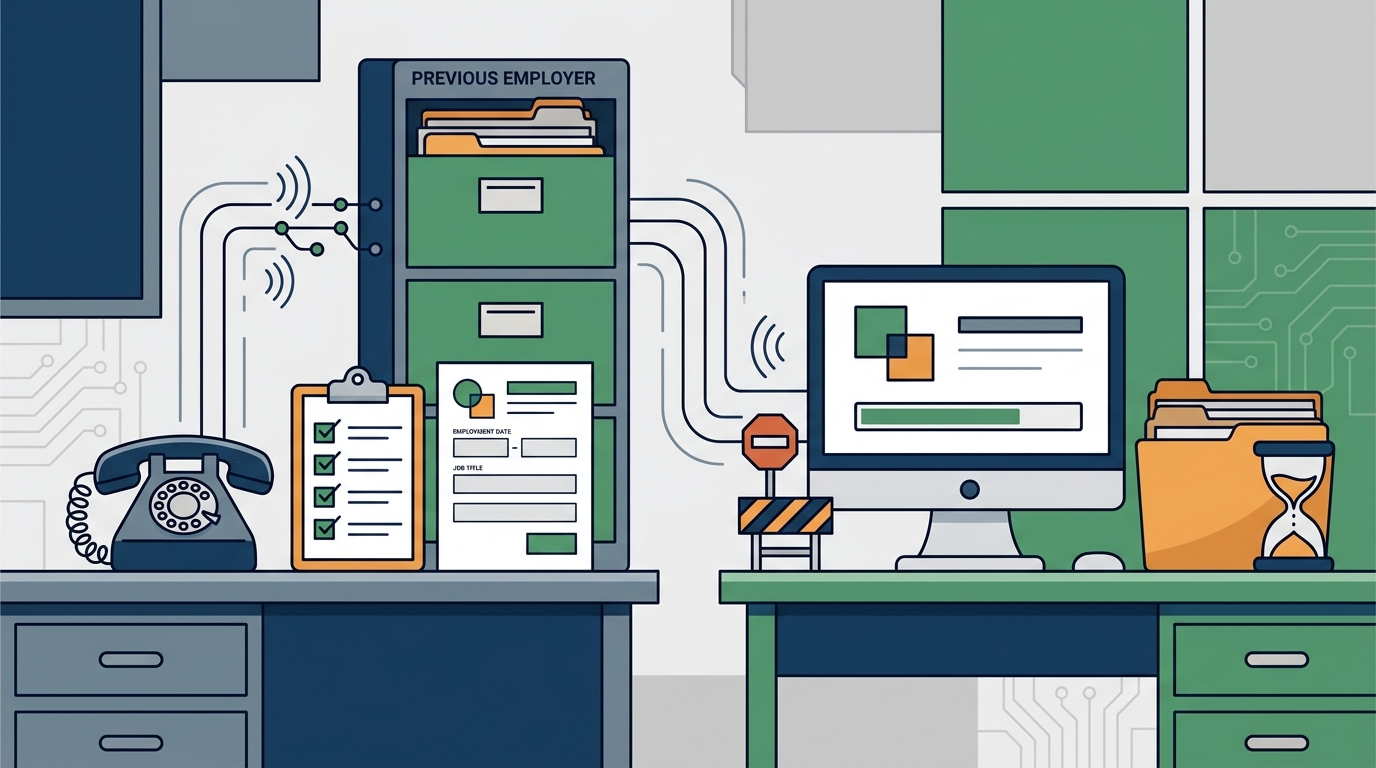
Direct verification involves contacting a candidate's previous employers to confirm specific details about their tenure. This method is considered the gold standard for accuracy because it comes directly from the source. However, it can be time-consuming and may face resistance from HR departments that are busy or have strict policies. To streamline this process, recruiters should use standardized verification forms that request only essential data, such as start and end dates and job titles. This approach respects the employer's time while ensuring the data is reliable. For additional details, review the 2verifi com.
For example, a hiring manager at a mid-sized tech firm might use a standard form to verify a senior developer's three-year tenure at a previous startup. By focusing on objective facts rather than subjective performance reviews, the process remains efficient and legally safe. This direct method helps prevent resume inflation, where candidates exaggerate their roles or extend their dates of employment. For additional details, review the .
Automated Background Check Services
Automated background check services use technology to aggregate data from multiple sources, including public records and employer databases. These services can significantly reduce the time required for verification, often providing results within 24 to 48 hours. At 2verifi, our platform is designed to deliver accurate and reliable information by leveraging comprehensive data sources. This technology allows organizations to scale their hiring processes without sacrificing the quality of the verification. For additional details, review the Customer Experience.
The implication of using automated services is a more consistent and unbiased hiring process. Manual verification can be subject to human error or bias, whereas automated systems apply the same standards to every candidate. This consistency is crucial for maintaining fairness and compliance with anti-discrimination laws. By using a specialized provider like 2verifi, companies can ensure that their verification process is both efficient and thorough. For additional details, review the Frequently Asked Questions.
Candidate-Provided Documentation and References
For instance, a candidate might provide a pay stub that shows a higher salary than what was reported in their resume. This discrepancy can be a red flag that requires further investigation. By cross-referencing candidate-provided documents with direct verification and automated checks, recruiters can build a complete and accurate picture of a candidate's history. This multi-faceted approach helps identify any inconsistencies that might otherwise go unnoticed. For additional details, review the About.
Legal Compliance and Best Practices
Legal compliance is a critical aspect of employment verification. Organizations must ensure that their verification processes adhere to federal and state laws, including the Fair Credit Reporting Act (FCRA). The FCRA requires that candidates be notified and given consent before a background check is conducted. It also mandates that candidates be provided with a copy of the report and an opportunity to dispute any inaccuracies. Failure to comply with these regulations can result in legal liability and damage to the company's reputation.
Key Takeaways
- Direct verification with previous employers is the most accurate method but can be time-consuming.
- Candidate-provided documentation should be used as a supplement to, not a replacement for, direct verification.
- Legal compliance, particularly with the FCRA, is essential to avoid liability and maintain fairness.
- A multi-faceted approach that combines direct, automated, and documentation-based methods provides the most reliable results.
- Standardized forms and clear communication with employers can streamline the direct verification process.
- Using a specialized provider ensures that the verification process is both efficient and compliant with legal standards.
Frequently Asked Questions
How long does employment verification typically take?
The time required for employment verification varies depending on the method used. Direct verification can take several days to a few weeks, while automated services like 2verifi can provide results within 24 to 48 hours. The complexity of the candidate's work history and the responsiveness of previous employers also play a role in the timeline.
Can I verify a candidate's job title and responsibilities?
Yes, you can verify a candidate's job title and responsibilities through direct contact with previous employers. However, it is important to focus on objective facts rather than subjective performance reviews to ensure compliance with legal standards. Automated services can also help confirm job titles by cross-referencing data from multiple sources.
What is the role of the FCRA in employment verification?
The Fair Credit Reporting Act (FCRA) regulates the use of consumer reports, including background checks, in employment decisions. It requires that candidates be notified and given consent before a check is conducted and provides them with the right to dispute inaccuracies. Compliance with the FCRA is essential to avoid legal liability.
Are automated background checks reliable?
How can I handle discrepancies in a candidate's work history?
If you find discrepancies in a candidate's work history, you should investigate further by contacting the previous employer directly. It is important to give the candidate an opportunity to explain any inconsistencies before making a hiring decision. This approach ensures fairness and compliance with legal standards.
What information should I request during employment verification?
During employment verification, you should request essential data such as start and end dates, job titles, and reasons for leaving. It is important to avoid requesting subjective information like performance reviews to ensure compliance with anti-discrimination laws. Standardized forms can help streamline this process and ensure consistency.
How does 2verifi ensure compliance with legal standards?
2verifi ensures compliance with legal standards by adhering to federal and state regulations, including the FCRA. Our services are designed to be accurate, reliable, and fair, helping organizations mitigate risk and build trust with their candidates. We prioritize data confidentiality and provide candidates with the opportunity to dispute any inaccuracies in their reports. Learn more: 2verifi com.